
Plant Health Care
Can A Fungus Help Your Landscape Plants?
| Apr 27, 2025
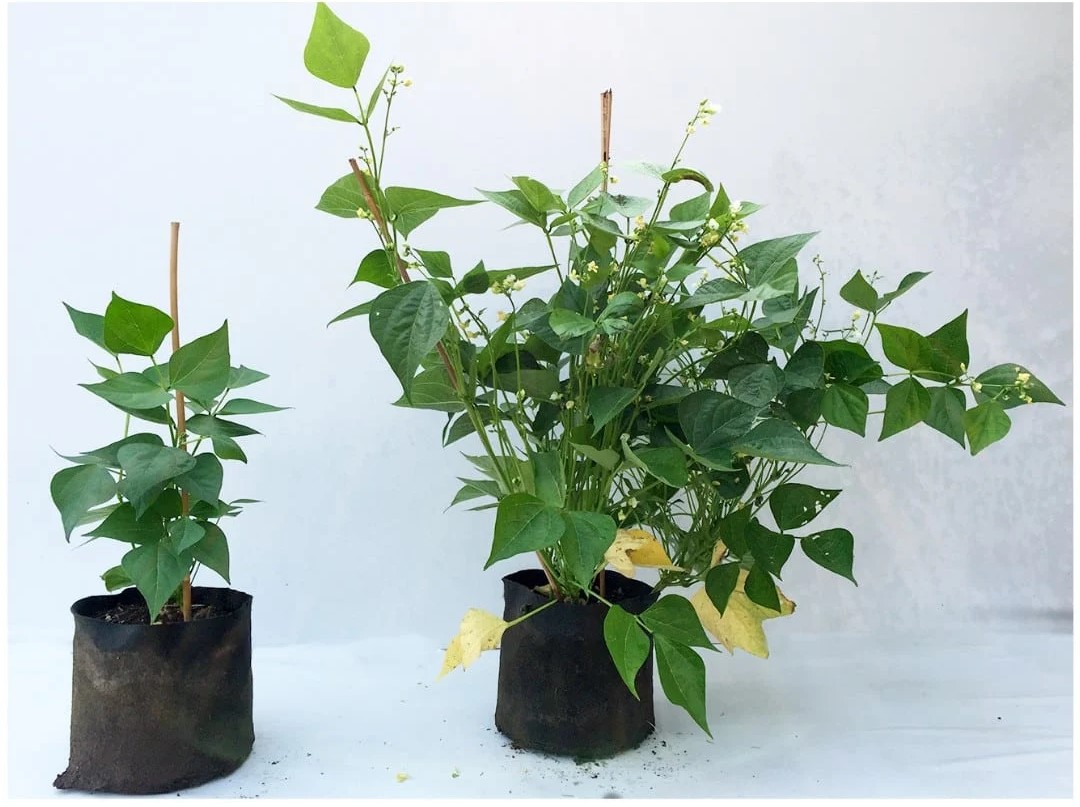
Beans inoculated with mycorrhizae (right) versus untreated (left). Photo: Plant Success Organics
Mycorrhizae (pronounced: my-cor-rye-say) fungi are a group of fungi that have been proven to help landscape plants endure the unnatural planting locations where they are often placed. These fungi are naturally occurring in woodland environments, but how they interacted with plants and benefited plants is a relatively recent discovery.
Mycorrhizae fungi attach themselves to the roots of plants, forming a mutually beneficial relationship with the plant. As the hyphae of the fungi grows it, in essence, expands the root system of the host plant.
Here are seven ways mycorrhizae offer significant benefits to trees in urban areas, helping them thrive in challenging environments:
Enhanced nutrient uptake: Mycorrhizal fungi dramatically increase the absorptive surface area of tree roots, allowing them to access essential nutrients like phosphorus and nitrogen more efficiently. This is particularly crucial in urban soils, which often have poor nutrient content.
Improved water absorption: Trees with mycorrhizal associations can reduce water usage by up to 30%, making them more resilient during drought conditions. This is especially important in urban areas where water availability may be limited.
Stress reduction: Mycorrhizae help urban trees better withstand environmental stresses such as pollution, soil compaction, and extreme weather conditions. They boost the tree's immune system, making it more resistant to soil-borne pathogens and other urban-related stressors.
Soil structure improvement: The fungal networks help bind soil particles together, enhancing soil aggregation and reducing erosion. This is particularly beneficial in urban areas with poor soil quality or those prone to erosion.
Transplant survival: Mycorrhizae can increase transplant survival rates and promote faster root development, which is crucial for newly planted trees in urban environments.
Pollution mitigation: In areas with heavy metal toxicity, mycorrhizal fungi can protect tree roots from damage, helping trees cope with urban pollution.
Competition management: Mycorrhizae aid trees in competing with surrounding turf grasses for nutrients and water, which is common in urban landscapes.
By providing these benefits, mycorrhizal fungi play a crucial role in supporting the health and longevity of urban trees. However, it's important to note that urban environments often have lower mycorrhizal colonization rates compared to rural areas, highlighting the potential need for artificial inoculation in urban tree planting and tree care practices.
For a new tree planting, mycorrhizae fungi can be placed in the planting hole as a dry product. For established landscape trees mycorrhizae is mixed with water and applied with a soil probe, like a deep-root fertilization. Fertilizers can also be included in the mix to help trees that are already showing signs of stress.