
Lawn Care
Choosing the Best Grass for Rochester Hills Lawns
| Mar 05, 2026
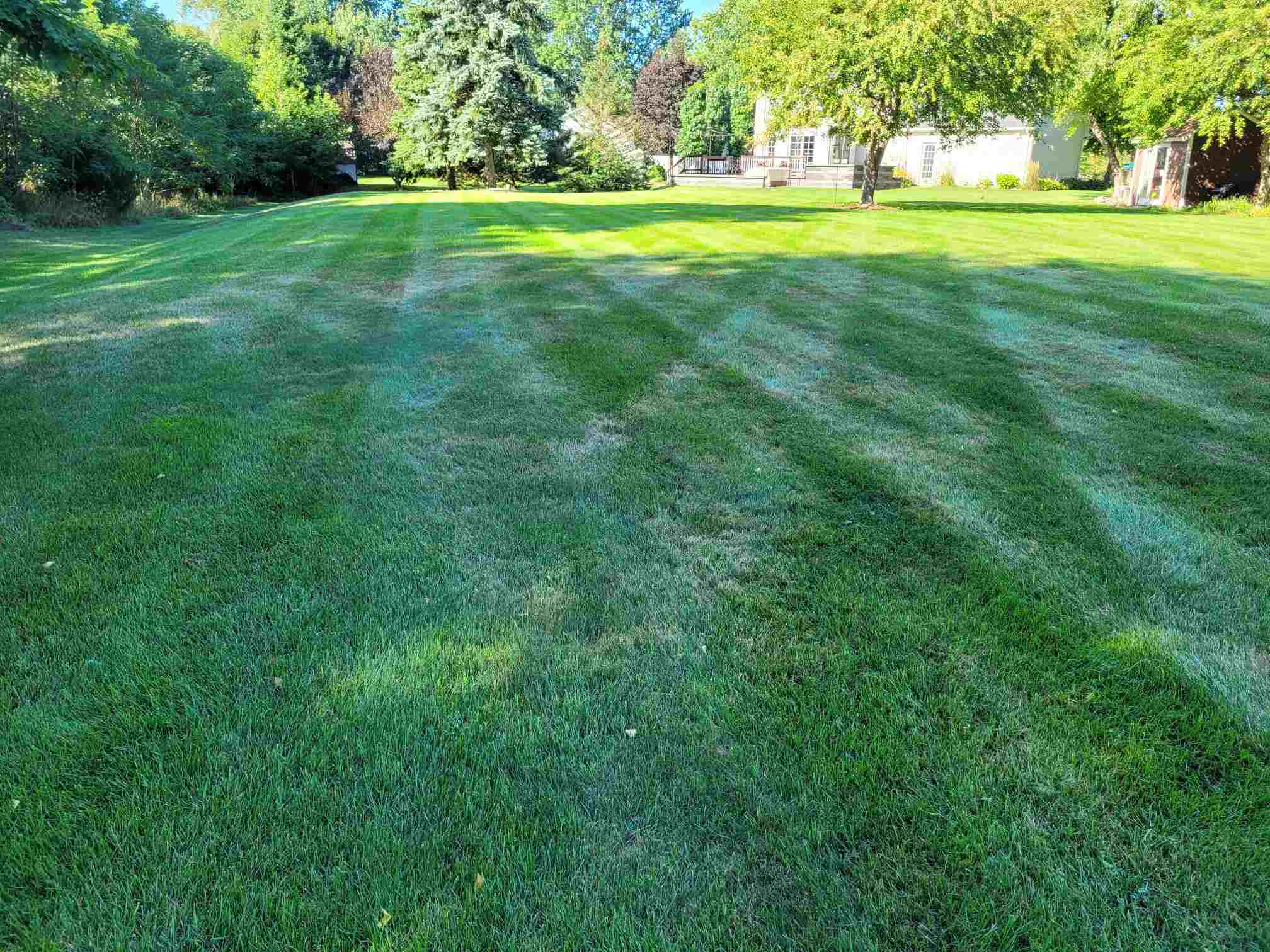
Kentucky bluegrass lawn. | Owen Tree and Lawn Care
Creating a healthy, great-looking lawn in Michigan starts with one key decision: choosing the right grass type. Michigan’s climate can swing from freezing winters to warm, sometimes dry summers, so selecting grasses that naturally thrive here is an important first step. At Owen Tree and Lawn Care, we help homeowners make smart lawn decisions that lead to greener, thicker, and easier-to-maintain yards.
Below is a complete guide to the best grass types for Rochester Hills, Michigan and how to choose the right one for your yard’s sun exposure, traffic level, soil conditions, and maintenance style.
Why Cool-Season Grasses Work Best in Michigan
Michigan lawns perform best with cool-season grasses, meaning varieties that grow most actively during the spring and fall. These grasses are hardy enough to withstand cold winters and bounce back quickly after summer stress.
The top performing cool-season grasses for Michigan, and Rochester Hills in particular, include:
• Kentucky bluegrass
• Turf-type tall fescue
• Fine fescues
• Perennial ryegrass
Each of these types of grasses offer unique strengths and is suited to different yard conditions.
Top Grass Types Recommended by Owen Tree and Lawn Care
Kentucky Bluegrass: Best for Full Sun and High-Quality Lawns
Kentucky bluegrass is a classic choice for Rochester Hills homeowners who want a lush, dense, rich-green lawn. It thrives in full sun, handles cold winters extremely well, and naturally fills in small damaged areas thanks to its spreading growth habit.
Pros:
• Creates a thick, carpet-like lawn
• Cold-hardy
• Repairs itself well
• Beautiful color and texture
Cons:
• Needs consistent watering
• Requires regular fertilization
• Not ideal for heavy shade
For homeowners committed to a high-maintenance lawn, Kentucky bluegrass delivers exceptional curb appeal.
Turf-type tall Fescue: Best for Heat, Drought, and High Traffic
Turf-type tall fescue is a hybrid of the less-desirable tall fescue. It has a thinner leaf blade than regular tall fescue which is why it has become increasingly popular across southern and western Michigan, where temperatures tend to be warmer. Its deep root system helps it stay green longer during summer heat and makes it tougher under foot traffic from kids, pets, and outdoor activities.
Pros:
• Excellent drought and heat tolerance
• Very durable and traffic-resistant
• Lower water needs than bluegrass
Cons:
• More expensive than Kentuck bluegrass seed
• Doesn’t spread to “self-repair” like bluegrass
If you want a strong, low-water lawn that stays green through tough conditions, turf-type tall fescue is a reliable performer.
Fine Fescues: Best for Shade and Low-Maintenance Yards
Fine fescues - which include creeping red, chewings, and hard fescue - are the top choice for shaded lawns in Rochester Hills. They do well under trees, near buildings, and in areas with limited sunlight. These grasses also shine in low-maintenance or low-input yards.
Pros:
• Grows better in shade than Kentucky bluegrass
• Requires minimal mowing and watering
• Tolerates poor soil
Cons:
• Not ideal for heavy foot traffic
• Prefers cooler conditions
If you want a softer lawn that grows where most grasses struggle, fine fescues are unmatched.
Perennial Ryegrass: Best for Quick Germination and Spot Repair
Perennial ryegrass germinates faster than most other grass types, making it ideal for overseeding or patching bare spots. While it’s not as hardy alone as bluegrass or fescue, it blends well in seed mixes.
Pros:
• Fastest germination
• Great for repair work
• Good wear tolerance
Cons:
• Less cold-tolerant on its own
• Works best in blends, not as a single-species lawn
Ryegrass is especially useful when you need instant coverage or want a lawn mix that establishes quickly.
Matching Grass to Your Yard’s Conditions
At Owen Tree Service, we always recommend choosing grass based on site conditions - not just looks. Here’s how to match your yard to the right type:
1. Full Sun + High Expectations
If you want a “showpiece” lawn and receive 6+ hours of sunlight, choose:
- Kentucky bluegrass, or
- Kentucky bluegrass/perennial ryegrass blend
These mixes deliver premium color, density, and overall appearance.
2. Hotter, Drier, or High-Use Lawns
For yards exposed to heat, drought, dogs, or heavy foot traffic, go with:
- Turf-type tall fescue, or
- Turf-type tall fescue/bluegrass blend
These lawns require less water and resist summer browning better than bluegrass.
3. Shady or Low-Maintenance Areas
For tree-covered yards or homeowners wanting a lower-input lawn:
- Fine fescues or
- Fine fescue mix with a touch of bluegrass
These grasses thrive where others fail.
Recommended Seed Mixes for Michigan
To make it simple, here are the mixes Owen Tree Service often recommends:
- Full Sun Michigan Mix
- Mostly Kentucky bluegrass with perennial ryegrass
- Tough & Drought-Tolerant Mix
- Turf-type tall fescue dominant with a small amount of bluegrass
- Shade & Low-Care Mix
- A blend of fine fescues, with optional bluegrass for partial-sun areas
Final Thoughts
The secret to a lawn that looks great year after year is selecting a grass type that fits your yard’s sun exposure, soil conditions, traffic, and the amount of care you want to commit to. A soil test can also guide fertilizer and pH adjustments for better results.
If you want help choosing, planting, or maintaining the right grass for your landscape, Owen Tree and Lawn Care is here with expert guidance, professional services, and decades of lawn-care experience.