
Insect Pests
Flea, Tick, and Mosquito Control in Macomb County
| Jan 31, 2026
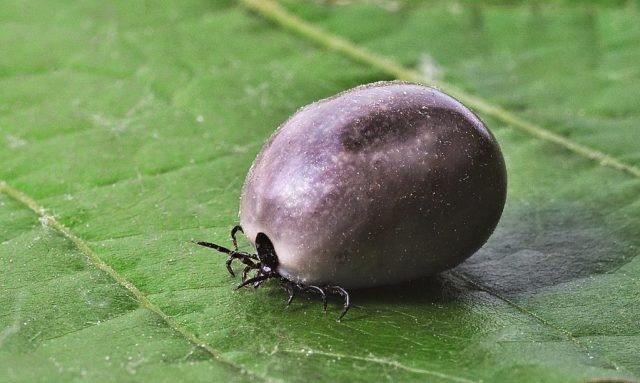
Fully engorged tick. Photo Jerzy Górecki from Pixabay
Fleas, ticks, and mosquitoes are more than just nuisances in Macomb County, Michigan. They are vectors for diseases that can affect humans, pets, and wildlife. From West Nile Virus and Eastern Equine Encephalitis carried by mosquitoes to Lyme disease and anaplasmosis transmitted by ticks, these pests present serious concerns in residential and commercial landscapes alike. Fleas, while less dangerous to humans, pose a threat to pets and can spread tapeworms or cause allergic reactions.
Foliar sprays are an effective part of an integrated pest management strategy for controlling these pests in trees, shrubs, and ornamental plantings. While surface treatments alone cannot completely eliminate every mosquito, flea, or tick in a landscape, targeted foliar applications reduce populations, protect high traffic areas, and complement other control measures such as larvicides and habitat management.
Owen Tree Service uses foliar sprays as part of a strategic approach to pest control, prioritizing plant health, environmental safety, and effective management.
Why Fleas, Ticks, and Mosquitoes Thrive in Macomb County Landscapes
Macomb County’s combination of suburban developments, wooded areas, water features, and storm water retention ponds provides ideal conditions for mosquitoes, fleas, and ticks. Each of these pests have unique habitat requirements.
Mosquitoes require standing water to breed. Even small accumulations in wet grass, birdbaths, planters, gutters, or puddles can serve as breeding sites. Warm temperatures and high humidity increase mosquito activity and feeding behavior.
Fleas thrive in areas where pets and wildlife spend time, particularly in shaded, moist environments with access to soil, leaf litter, and grass. Fleas can jump from hosts to other animals or humans, creating a recurring presence in infested areas.
Ticks are most commonly found in tall grasses, brushy areas, and wooded edges. The black-legged tick, the primary vector of Lyme disease in Michigan, climbs vegetation and attaches to passing hosts, feeding for several days before detaching.
Foliar sprays target the areas where these pests rest and travel, reducing the likelihood of encounters with people and pets while limiting reproduction opportunities.
The Role of Foliar Sprays
Foliar sprays are applied directly to tree and shrub foliage, lower branches, and surrounding vegetation. Active ingredients in these sprays target mosquitoes, ticks, and fleas, disrupting their life cycle and reducing populations.
Unlike spot treatments that only address immediate pests, foliar applications work in areas where the adult pests rest and feed. This allows treatments to remain effective for weeks, depending on rainfall, temperature, and other environmental factors.
Foliar applications are particularly useful in wooded edges, ornamental plantings, and high-traffic areas where human and pet exposure is most likely. Foliar sprays are applied based on plant species, pest pressure, and environmental considerations to maximize efficacy while minimizing environmental impact.
Timing and Environmental Considerations
In Michigan, timing is critical for mosquito, flea, and tick control. These pests are highly dependent on temperature and moisture patterns, which can fluctuate from year to year.
Mosquito populations surge from Spring to Late Fall where standing water is abundant. Fleas and ticks are most active during warm months, particularly in shaded, vegetated areas.
Because environmental factors are unpredictable, no treatment can guarantee complete control. Foliar sprays are most effective when used as part of a comprehensive program that includes habitat management, routine monitoring, and targeted applications.
Benefits of Foliar Spray Applications
Foliar sprays provide several important advantages for Macomb County landscapes:
Improved Safety: Reducing pest populations lowers the risk of disease transmission to humans and pets.
Targeted Control: Applications can be focused on high-use areas, wooded edges, and ornamental plantings where pests are most active.
Reduced Reinfestation: By treating vegetation where adult pests rest and feed, foliar sprays help limit the next generation of pests from reproducing.
Minimized Environmental Impact: Foliar sprays can be applied strategically, reducing unnecessary chemical exposure to non-target organisms and water sources.
Supporting Plant Health: Treatments are applied by trained arborists who consider plant species, foliage sensitivity, and seasonal growth patterns, ensuring vegetation remains healthy and undamaged.
Integrating Foliar Sprays with Other Management Practices
For best results, foliar sprays should be part of a broader integrated pest management strategy:
Habitat Reduction: Eliminating standing water for mosquito breeding, keeping lawns mowed, and clearing leaf litter and brush reduces pest habitat.
Pet Care: Treating pets for fleas and regularly inspecting them reduces reintroduction of pests to the landscape.
Monitoring: Regular inspections by ISA Certified Arborists help determine pest pressure, optimal timing, and areas that require targeted treatment.
Complementary Treatments: Larvicides for mosquitoes in water features or soil treatments for ticks in high-traffic areas can enhance the effectiveness of foliar sprays.
A multi-layered approach reduces reliance on chemical control while maximizing landscape protection.
Realistic Expectations
It is important to understand that foliar sprays help manage pest populations but cannot eliminate every mosquito, flea, or tick. Environmental factors such as rainfall, temperature, and wildlife movement all influence pest activity and treatment results.
Our ISA Certified Arborists communicate realistic expectations and help property owners develop ongoing management plans tailored to their specific landscape conditions. This ensures treatments are effective, safe, and aligned with long term plant and property health goals.
Safety Considerations
Foliar sprays are applied by trained professionals who follow label instructions, safety protocols, and environmental regulations. Protective equipment, precise calibration, and targeted application reduce exposure risks to humans, pets, and beneficial insects.
Homeowners and property managers are advised to follow post-application guidelines such as avoiding contact with treated areas until surfaces have dried and keeping people and pets away during application.
Long Term Benefits
Consistent monitoring and treatment over multiple seasons can:
- Reduce pest pressure during peak months
- Protect pets, children, and wildlife from exposure
- Support healthier, more inviting landscapes
- Help property owners maintain enjoyable outdoor spaces without constant pest interruptions
While foliar sprays are one component of the program, combining them with habitat management and ongoing arborist oversight maximizes long term results.
The Bottom Line
Fleas, ticks, and mosquitoes are serious landscape pests in Macomb County that pose health risks to humans, pets, and wildlife. Foliar sprays, when applied strategically and professionally, reduce populations and protect high-use areas.
At Owen Tree Service, our ISA Certified Arborists evaluate each landscape, consider environmental conditions, and develop tailored management strategies. By combining foliar sprays with habitat reduction, monitoring, and other integrated pest management practices, we help Macomb County property owners protect their outdoor spaces while supporting long term plant and landscape health.