
Plant Health Care
How Snow & Ice Can Hurt, or Help, Your Plants
| Jan 25, 2025
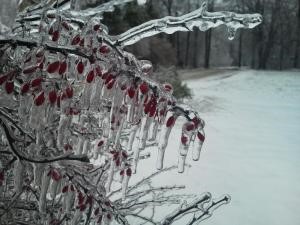
Storm Damaged Ice Coated Shrub
Most of the time when we get calls to our office about snow or ice in relation to plants it’s about some type of plant damage. But there are some positive benefits winter weather provides to our landscape plants. Here are some pros and cons Michigan plants to the inevitable weather events are landscapes must endure each year.
Positive Impacts of Snow or Ice on Plants
1. Insulation:
A layer of snow can provide insulation for the ground, protecting the root systems of trees and shrubs from extreme cold temperatures. This insulation can help maintain soil temperature and moisture levels.
2. Moisture Reservoir:
When snow melts, it acts as a source of moisture for plants. This gradual release of water can be beneficial for trees and shrubs in the spring, providing a steady supply of water as they begin to grow.
3. Nutrient Release:
As snow melts, it can help in the leaching of nutrients from organic material and soil, making key nutrients available to the root systems of trees and shrubs.
Negative Impacts from Snow or Ice on Plants
1. Weight Stress:
Accumulated snow and ice can add significant weight to branches, which may lead to breakage, limb damage, or even tree collapse. This is especially true for trees with weak branches or those that are already stressed or unhealthy.
2. Branch Breakage:
Wet, heavy snow or freezing rain can cause branches to bend or break under its weight. This is particularly common in coniferous trees, which often carry excess snow on their horizontal branches.
3. Tree Structure Damage:
Ice formation on branches and trunks can cause tree trunk splitting or branch damage, leading to wounds that can become entry points for pests and diseases.
4. Root Damage:
Severe freezing followed by thawing can lead to soil heaving, which can damage root systems. This is especially problematic for shallow-rooted plants.
5. Reduced Photosynthesis:
If evergreen branches are heavily laden with snow or ice, it can limit sunlight exposure to the needles, impacting the tree’s ability to photosynthesize effectively.
6. Barrier to Wildlife:
Heavy snow cover can prevent access to food sources for wildlife, which may lead animals to forage on trees and shrubs, potentially causing additional harm.
7. Delayed Growth:
Extended periods of ice and snow may delay the onset of growth in the spring, particularly if trees and shrubs experience damage or stress from the winter conditions.
Helping Plants Cope With Michigan Winters
To help mitigate the negative impacts of snow or ice consider the following practices:
• Pruning: Regularly prune trees and shrubs to remove weak or dead branches, reducing the likelihood of damage from heavy snow and ice.
• Proactive Care: Ensure that plants are healthy and well-watered before winter, as hydrated plants are more resilient to stress.
• Support for Young Trees: Use guy wires or tree supports for young or newly planted trees to help them withstand heavy snow and ice loads.
While snow and ice can provide some benefits, such as insulation and moisture, they can also pose significant risks to the health and structural integrity of trees and shrubs. Proper care and management practices can help mitigate these effects and promote resilience in landscape plants.