
Invasive Plants
Is That A Weed Or Could It Be An Invasive Plant?
| Apr 11, 2025

Purple loosestrife plant. | Steve Dewey, Utah State Univ., Bugwood.org
Understanding the difference between a normal everyday weed and an invasive plant can help slow the spread of invasive plants that are causing problems for everyone here in Michigan and around the US.
The family fishing hole ‘out back’ is now almost completely dry and filled with tall plants. Are those just cattails or are they a rapidly spreading invasive plant called phragmites that is taking over more and more of Michigan’s waterways and inland lakes? At a busy intersection or along the drainage ditches on the side of the expressways and other roadways, tall growing weeds are so dense they block visibility and cause drainage issues, these weeds are more than likely phragmites.

Invasive phragmites plants. | Caleb Slemmons, National Ecological Observatory Network, Bugwood.org
Is that new ground creeping plant in your lawn creeping charlie or is it an invasive plant called garlic mustard that spreads by seeds and self-pollination to eventually choke out other ground cover plants? Are you seeing lots of single stalk white flowering cluster ‘weeds’ in local parks under trees? Garlic mustard can hide in plain sight because the young plants mimic many non-invasive ground covers.
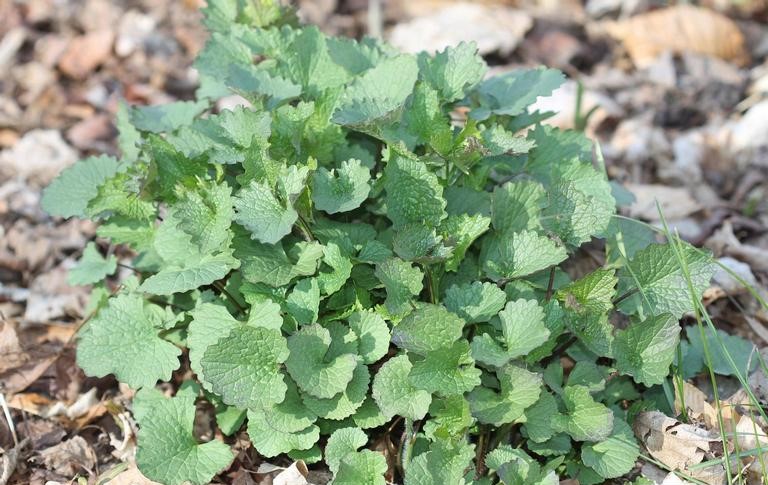
Young garlic mustard plant. | Rob Routledge, Sault College, Bugwood.org
Is that small woody shrub with purple berries growing along the edge of your field or in the corner of your property a dogwood shrub or is it an invasive plant called glossy buckthorn that spreads quickly and can take over a landscape? Have you possibly seen the same type of plant growing along the local walking trail in the park?
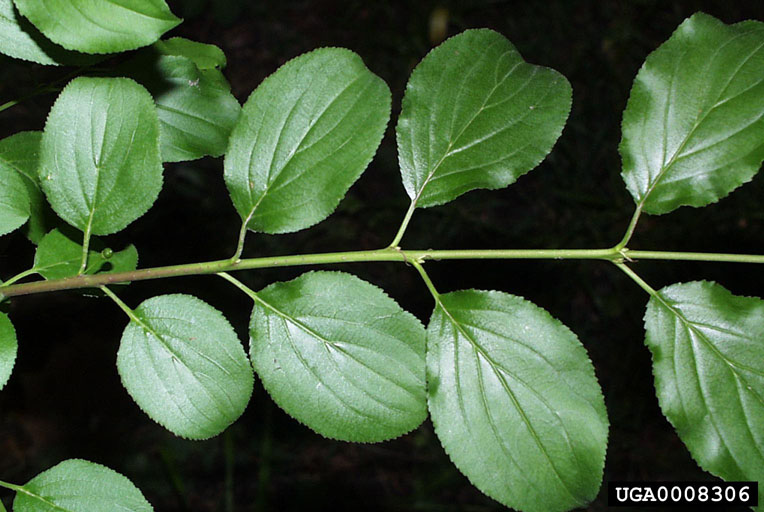
Buckthorn twig and leaves. | Paul Wray, Iowa State University, Bugwood.org
Is that plant at the waters edge on the beach or along the edge of your favorite fishing spot just a normal, common aquatic weed or is it possibly an invasive plant called purple loosestrife that is on the Michigan Invasive Species watch list? Have you seen these tall purple flowered plants growing near or around the local boat launch?

Purple loosestrife starting to fill up a drainage ditch. | Steve Dewey, Utah State Univ., Bugwood.org
So many invasive plants when young or early in their growth cycle look like many common landscape plants.
Because they may appear to be a common weed, they are often overlooked and then they grow unchecked and establish themselves in an area. Once established, they become that much harder to get rid of when they develop enough to be recognized as the invasive plant that they are.
Early identification and treatment are key to stopping the spread of invasive plants and slowing down the damage to our ecosystem they are doing.
You may be asking ‘why does it matter or what’s the difference? A plant is a plant.’
The issue with these non-native plants is that they cause changes to the areas where they are growing. The changes caused vary from invasive plant to invasive plant. Some plants are fast-growing with broad dense leaves that, once mature, create dense shade and choke out the native growth around them. Some are very aggressive and quickly dominate the area and reduce the plant diversity, changing the ecological makeup of the area. Many native plants, and the animals that live in and amongst them, are fed upon by various animals in the area and when their food source is gone, they move to other areas looking for food.
Some invasive plants secrete a toxin from their root system that prevents other plants from growing around them. Invasive plants often leaf out earlier in the spring then native plants and keep their leaves later into the growing season. This may give the plant almost a full extra month of growth over the other native plants that may be trying to grow around it. As a result, the native plants become less and less until they are completely choked out and have been replaced by the invasive non-native plants.
These non-native invasive plants don’t just cause problems with surrounding plants. Some plants have the ability to completely change the hydrology (wetness) of the area they are growing in. This means that they dry up all the water in the area where they are growing, thus taking away natural habitat for numerous native plants and animals. This change not only affects plants and animals in certain areas but, depending on the invasive plant, it can become a fire concern; due to the now overly dry soil conditions and the dead standing plant material that can quickly become tinder for a brush fire.
Identifying and performing early intervention treatments of invasives is not just about the damage they are doing to the habitats of our native plants and animals. It is about the possible hazards to all of us that can be a result of the invasive plant taking over an area.
Early detection and early implementation of a control program is essential. That’s why knowing what an invasive plant is when you see it is powerful knowledge in helping stop the spread of invasive species.
Owen Tree Service can assist you in identifying possible invasive species on your property; whether it is a residential property, city or county park or even golf courses, and develop a treatment and monitoring program to eradicate the invasive species. We have trained staff that know all the stages of the numerous invasive species that are creeping into Michigan and are knowledgeable about the effective treatments to control them.
What is Owen Tree Service doing?
We work with MDOT, municipal agencies, commercial properties and homeowners to identify invasive plants and develop a control and monitoring plan to effectively treat any established invasive species. Our staff are on the lookout for any areas where invasive plants may be just starting to get established and work to get those areas under control as quickly as possible.
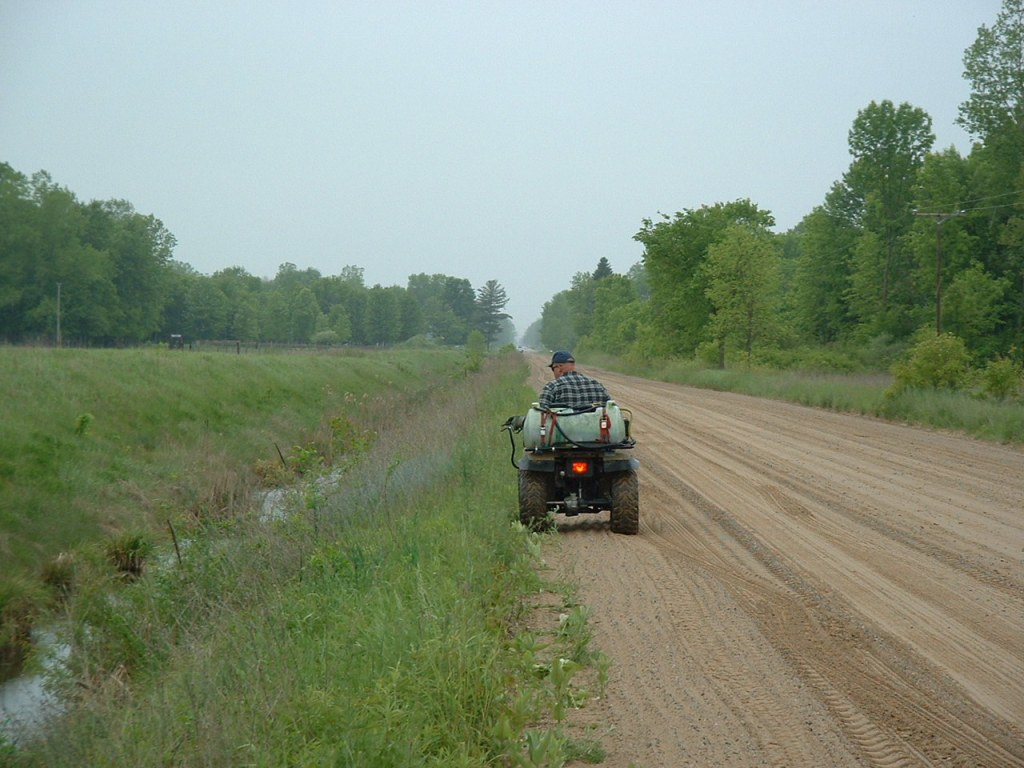
Controlling invasive plants along a right-of-way.
Controlling invasive species and protecting Michigan’s diverse native plants and animals and Michigan’s waterways is very important to all of us; not just ecologically but financially, too. Michigan is called the ‘Great Lakes State’ for a reason and many tourists come here to experience not only our big lakes but also our smaller inland lakes for vacations and recreation. It will take all of us doing our part to protect our Great Lakes State.