
Plant Health Care
Lace Bug Injury on Southfield Landscape Plants
| Sep 10, 2025
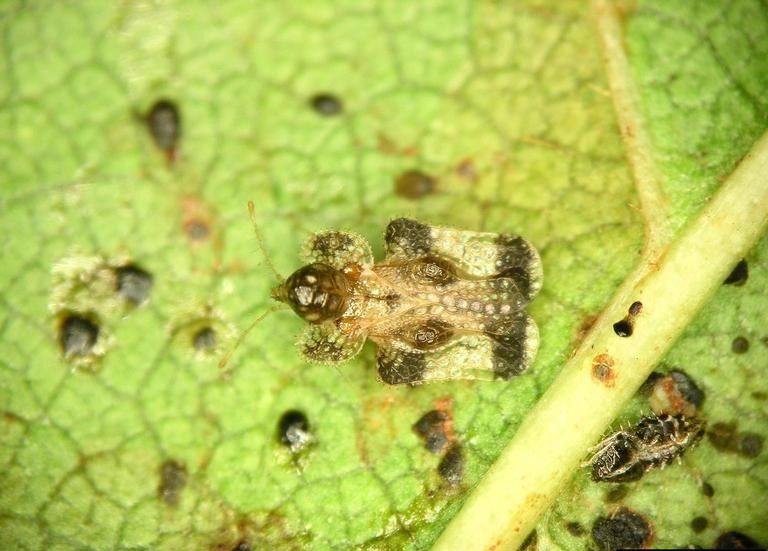
Lacebug adult and distinctive spotting on leaf.|Paul Bachi, Univ of Kentucky, Bugwood.org
Lace bugs are small but troublesome pests that can wreak havoc on plants in Southfield, Michigan. These insects, measuring about 1/8 to 3/8 inch in length, are named for the intricate, lacy patterns on their wings and thorax. In Southfield, lace bugs commonly target azaleas, rhododendrons, and various deciduous trees and shrubs.
Identifying Lace Bug Damage
Lace bugs feed on the undersides of leaves, sucking out chlorophyll and nutrients. This feeding behavior causes:
• Pale stippling and bleaching on leaf surfaces
• Leaves turning gray or yellow
• Premature leaf drop in severe cases
By mid to late summer, entire sections of affected plants may appear thin and lacy.
Life Cycle of Lace Bugs
Lace bugs in Southfield typically become active in spring:
1. Adults emerge from winter hiding spots
2. Females lay eggs on leaf undersides
3. Nymphs hatch and begin feeding
4. Multiple generations occur throughout the growing season
Prevention and Control of Lace Bugs
To protect your landscape plants from lace bugs:
1. Choose plants adapted to local conditions
2. Provide proper care, including regular watering
3. Mulch beds to protect roots and retain moisture
4. Fertilize to maintain plant health and vigor
For Active Lace Bug Infestations
• One or two tree or shrub sprays will stop lace bug feeding
• Systemic insecticides can be applied as a preventative for susceptible plants
While lace bug damage is unsightly, it's often more aesthetic than harmful to established plants. By maintaining plant health with fertilization, watering and, when necessary, insect control treatments, you can keep these pests under control.
If you need an arborist to check your trees or shrubs for lace bugs call Owen Tree and Lawn Care at 800-724-6680.