
Plant Health Care
Lacebugs and Their Impact on Ornamental Plants in Clarkston, MI
| Aug 06, 2025
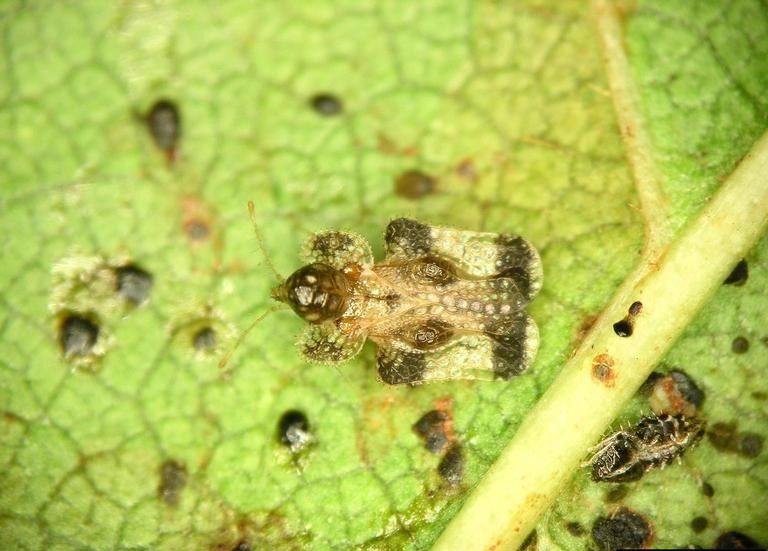
Lacebug adult and distinctive spotting on leaf.|Paul Bachi, Univ of Kentucky, Bugwood.org
Lacebugs, belonging to the family Tingidae, are small insects known for their delicate, lace-like wings and penchant for feeding on the sap of various plants. While these pests might be visually intriguing, they can significantly affect the health of ornamental plants, leading to unsightly damage and a decline in vigor.
Lacebugs primarily target species like azaleas, rhododendrons, and various hardwoods, causing stippling and discoloration of leaves. Their feeding method involves piercing the leaf surface and sucking out sap, which can lead to yellowing, wilting, and even leaf drop. In severe cases, infested plants may become vulnerable to secondary infections, as their overall health declines. While lacebugs are more prevalent in warmer months, their presence can lead to long-term consequences if not addressed promptly.
Effective Treatment Methods for Lacebugs
Controlling lacebug populations in Clarkston landscapes requires an integrated approach. Early identification is crucial; inspecting the undersides of leaves can reveal tiny, dark spots associated with their excrement. Here are some treatment methods to consider:
1. Cultural Controls: Maintaining plant health is the first line of defense. Regularly water and fertilize your ornamental plants to promote robust growth that can withstand pest infestations. Keeping the area free of debris and avoiding overcrowding can also discourage persistent lacebug populations.
2. Neem Oil: This natural pesticide disrupts the life cycle of lacebugs. Applied as a foliar spray, neem oil works by altering the insects’ feeding and breeding behaviors.
3. Chemical Insecticides: Systemic insecticides can be employed as a preventative option. This type of treatment must be applied before the lacebug insects attack the plant because it takes time for uptake to occur. These are absorbed by the plant and can provide long-lasting protection against lacebugs. For severe lacebug infestations, spraying of the affected trees or shrubs can provide immediate control. Always follow label instructions to minimize harm to beneficial insects.
By being vigilant and proactive, Clarkston homeowners can effectively manage lacebug populations and protect their ornamental plants from damage.