
Lawn Care
Lawn Fertilization in Lake Orion, MI: The Complete Homeowner’s Guide
| Jul 10, 2025
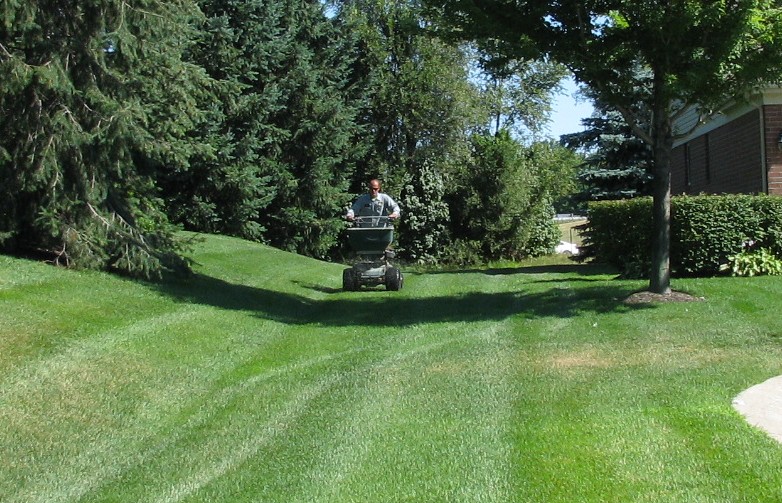
Lawn fertilization and weed control. |Owen Tree & Lawn Care
Maintaining a lush, healthy lawn in Lake Orion, Michigan, is no easy feat. With its cold, snowy winters and hot, humid summers, Lake Orion’s weather creates unique challenges for turfgrass health and soil fertility. These fluctuating conditions can leave your lawn vulnerable to thinning, weeds, pests, and disease—especially if proper care isn’t part of your routine.
One of the most effective ways to support your lawn's year-round health is through consistent, well-timed fertilization. Fertilizing isn’t just about boosting green color—it's about giving your turf the essential nutrients it needs to grow deep roots, resist environmental stress, and outcompete invasive weeds. Whether you're a long-time resident or a new homeowner in Lake Orion, understanding the science and strategy behind lawn fertilization will help you create a lawn that’s the envy of the neighborhood.
Why Lawn Fertilization Is Crucial in Lake Orion
Lake Orion’s climate presents a range of conditions that make lawn care a challenge. Winters often bring deep freezes and heavy snow, which can compact the soil and reduce nutrient availability. Summers, on the other hand, can be hot and dry, stressing out lawns and leaving them susceptible to drought damage and disease.
Fertilization acts as a support system for your turf, delivering critical nutrients that your soil might naturally lack or lose over time. Here's a breakdown of why lawn fertilization is especially important in Lake Orion:
1. Replenishes Essential Nutrients
Over time, soil loses nutrients through rain, mowing, irrigation, and natural biological processes. Fertilizers restore vital elements like:
• Nitrogen (N): Promotes lush, green top growth and aids in photosynthesis.
• Phosphorus (P): Encourages strong root development and helps with seedling establishment. In Michigan, phosphorus is included only when seeding a lawn or fertilizing new sod.
• Potassium (K): Strengthens resistance to drought, disease, and temperature stress.
Lake Orion's native soils can vary widely in fertility, and many lawns have been established on subsoils disturbed by construction. These soils often require nutrient supplementation to support vigorous turf growth.
2. Enhances Root Development
A strong root system is your lawn’s anchor, allowing it to draw water and nutrients from deep in the soil. Fertilization in the spring and fall supports active root growth, helping turfgrass survive both summer stress and winter dormancy.
3. Boosts Resistance to Environmental Stress
Fertilized lawns are more resilient. The right nutrients help your lawn withstand summer heat, heavy foot traffic, insect damage, and disease. In Lake Orion, where weather conditions swing dramatically, that resilience can mean the difference between a surviving lawn and a thriving one.
4. Improves Aesthetic Appeal
A vibrant green lawn isn’t just nice to look at—it reflects the health of your turf. Fertilization gives grass the nutrients it needs to maintain color, density, and uniformity, elevating curb appeal and your property’s value.
The Role of Soil in Fertilization Success
Your soil is the foundation of a healthy lawn. Before diving into a fertilization plan, it’s worth understanding how soil conditions in Lake Orion can affect the availability and uptake of nutrients.
Soil Compaction
In many parts of Lake Orion, especially residential developments, soil compaction is a common issue. Compacted soil limits root growth and reduces the soil’s ability to absorb and retain nutrients. Lawn aeration—punching small holes in the turf—can help relieve compaction and make fertilization more effective.
Soil pH
Southeast Michigan soils often range from neutral to slightly alkaline. If your soil’s pH is too low or too high, nutrients won’t be as available to the plants—even if you fertilize. A soil test can determine your pH and guide any necessary adjustments using lime (if the pH is too high) or sulfur (if the pH is too high).
Organic Matter and Microbial Activity
Healthy soils are teeming with microbial life that helps break down organic material and release nutrients. Fertilization supports this biological activity, especially when paired with compost or organic lawn treatments.
When to Fertilize Your Lawn in Lake Orion
Timing is critical in lawn fertilization. Applying fertilizer at the wrong time can lead to waste, runoff, and poor results. In Lake Orion, the typical cool-season grasses—such as Kentucky bluegrass, fine fescue, and perennial ryegrass—have distinct growth patterns that dictate when nutrients are most needed.
Spring (April–June)
• Purpose: Jump-start root growth and green-up after winter dormancy.
• Best Practices: Apply a balanced fertilizer with slow-release nitrogen. Avoid heavy applications too early, which can encourage lush top growth at the expense of roots.
Summer (June–August)
• Purpose: Maintain color and stress resistance during hot weather.
• Best Practices: If you fertilize in summer, use a slow-release or organic fertilizer to avoid burning your lawn.
Fall (September–November)
• Purpose: Strengthen root systems and prepare turf for winter.
• Best Practices: Fall fertilization is arguably the most important. A high-nitrogen fertilizer helps your lawn recover from summer stress and build reserves for spring growth.
Winter (Optional)
In some cases, a late fall/winter fertilizer application (before the ground freezes) can provide early green-up in spring. This is often referred to as “winterizer” fertilization.
Types of Lawn Fertilizers: Which Is Best for Your Lawn?
Choosing the right fertilizer depends on your soil condition, grass type, and environmental goals. Here’s a breakdown of the main types:
1. Synthetic Fertilizers
These are fast-acting and deliver nutrients in a concentrated form. They’re great for quick green-up and are often more affordable.
2. Slow-Release Fertilizers
These release nutrients over time, reducing the risk of overfeeding or burning a lawn. They support steady growth and are ideal for homeowners seeking a low-maintenance option.
3. Organic Fertilizers
Made from composted plant or animal material, organic fertilizers improve soil health and microbial activity. They release nutrients slowly and safely, though results may take longer to appear. The lawn may be less green due to the lower amount of nutrients, especially nitrogen, found in organic fertilizers.
4. Starter Fertilizers
Used when establishing new lawns from seed or sod, these are high in phosphorus to promote root growth.
5. Weed & Feed Products
A common DIY option, these combine fertilizer with herbicide to fertilize the lawn while controlling broadleaf weeds. Use with caution and follow label instructions carefully.
The Importance of Proper Application
Even the best fertilizer can be ineffective—or harmful—if applied incorrectly. Here’s how to ensure success:
Measure Your Lawn
Know how many square feet you’re treating so you apply the right amount.
Use a Spreader
Broadcast or drop spreaders ensure even distribution. Avoid applying fertilizer by hand, which can lead to patchiness, overfeeding or burned spots in the lawn.
Water In Fertilizer
After applying fertilizer, lightly water your lawn to help nutrients reach the root zone.
Avoid Overlapping Passes
Double application in the same area can cause striping of the grass. Use markers or overlap slightly to ensure complete but even coverage.
Clean Hard Surfaces
Sweep fertilizer off sidewalks and driveways to avoid runoff into storm drains.
Lawn Fertilization Schedule for Lake Orion Homeowners
Here’s a sample schedule tailored to cool-season grasses in Lake Orion:
Month Fertilizer Type Purpose
April Balanced slow-release Spring green-up, early root support
Late May Light nitrogen application Sustains color, prepares for summer stress
June-July Slow-release nitrogen Releases nutrients when it rains or if you water the lawn
Early August Slow-release nitrogen Maintain vigor through summer
Mid-September High-nitrogen blend Recovery from summer, promote root growth
Late October-November Winterizer (high in nitrogen) Prepare turf for dormancy and early spring
________________________________________
Common Fertilization Mistakes to Avoid
Even well-meaning homeowners can run into trouble with lawn fertilization. Avoid these common mistakes:
• Overfertilizing: Can burn grass, lead to excessive growth, and pollute waterways.
• Improper Timing: Fertilizing too early or during peak heat can be ineffective or damaging.
• Ignoring Soil Tests: Without knowing your soil’s nutrient levels and/or pH level, you could apply the wrong product.
• Inconsistent Application: Uneven spreading results in patchy lawns.
• Skipping Watering: Dry fertilizer won’t activate without moisture.
The Environmental Angle: Fertilize Responsibly
In Lake Orion and throughout Michigan, protecting water quality is a community priority. Fertilizers that run off into storm drains can contribute to algae blooms in local lakes and rivers. To fertilize responsibly:
• Choose phosphorus-free fertilizers unless a soil test shows it’s needed.
• Apply only the recommended amount.
• Keep fertilizer off pavement.
• Use slow-release products that reduce leaching.
Should You Hire a Professional Lawn Care Service?
While DIY fertilization is possible with the right knowledge and tools, hiring a professional has its advantages:
• Expert Soil Testing: Pros know how to interpret soil results.
• Precision Application: They use calibrated equipment for even coverage.
• Seasonal Knowledge: Local companies understand Michigan’s climate and turf needs.
• Time Savings: Save yourself the labor and learning curve.
For many Lake Orion homeowners, partnering with a reputable lawn care provider can ensure a healthy, thriving lawn with less hassle.
Fertilizing for a Lush Lawn in Lake Orion
In a place like Lake Orion, where our four seasons test your lawn’s limits, fertilization is not optional—it’s essential. With the right products, proper timing, and consistent application, you can transform your yard into a vibrant outdoor space you’re proud of.
A well-fertilized lawn not only enhances curb appeal but also improves the health of your local environment by reducing erosion, filtering rainwater, and creating cooler microclimates during hot summer days.
Whether you choose to handle fertilization yourself or hire a professional service, taking care of your lawn through regular fertilization is one of the best investments you can make in your home—and in your community.