
Plant Health Care
Magnolia Scale: A Rising Concern for Homeowners in Flint
| Oct 10, 2025
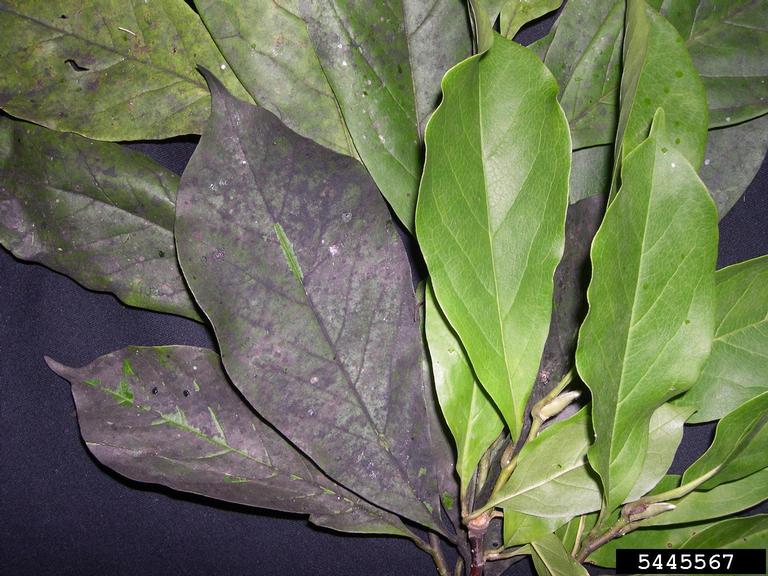
Sooty mold on magnolia leaves caused by magnolia scale. | Sarah Vanek, Bugwood.org
Magnolia trees are a cherished feature in many landscapes in Flint, Michigan. Renowned for their beautiful blossoms and unique forms, they add charm to both residential and commercial properties, making them a key element in any landscape. However, homeowners in Flint may face challenges in maintaining the health of these remarkable trees due to a pest known as magnolia scale.
What is Magnolia Scale?
Magnolia scale (Neolecanium cornuparvum) is a large, immobile insect that frequently targets magnolia trees, particularly in regions like Flint. These insects are oval or round, growing up to 0.5 inches in diameter. They typically exhibit a light yellow or tan hue. The adult scales attach themselves to the branches, stems, and twigs of the tree, where they feed on the sap, weakening the tree and leading to serious damage over time.
Symptoms of Magnolia Scale Infestation
Magnolia scale can be challenging to detect in the early stages, but the first signs often include the appearance of white, waxy spots on the underside of branches. As the scales mature, the waxy coating becomes more visible, and the insects themselves become easier to spot. Trees suffering from heavy infestations may show symptoms such as:
• Yellowing of leaves or early leaf drop
• Slower growth and a general decline in tree health
• Development of sooty mold due to the honeydew produced by the scales
• Weakening branches and potential dieback
If untreated, magnolia scale can cause extensive damage, ultimately weakening the tree’s ability to produce food for itself and potentially leading to its demise.
How Certified Arborists Can Help Control Magnolia Scale
Controlling magnolia scale requires a professional strategy, as DIY methods are often insufficient for long-term control. ISA Certified Arborists have the knowledge and equipment necessary to successfully eliminate this pest. Here’s how they manage magnolia scale:
1. Early Detection: Certified arborists are experts at identifying the first symptoms of magnolia scale. Early intervention helps minimize damage and keeps the tree healthy.
2. Proper Tree Care: Magnolia scale robs the tree of vital nutrients and moisture, so maintaining proper watering and fertilization is key to ensuring the tree can withstand scale damage.
3. Insecticide Applications: While controlling magnolia scale can be challenging, applying insecticides during the crawler (nymph) stage of the pest’s lifecycle is an effective way to reduce the infestation.
4. Pruning Infected Branches: For trees with severe infestations, pruning the most heavily infested branches may be an option, depending on how this would affect the appearance of the tree. This removes scale insects from the plant and prevents them from spreading further.
5. Regular Monitoring: Managing magnolia scale typically requires multiple treatments over time. ISA Certified Arborists can conduct regular inspections to monitor the tree’s health and ensure it remains pest-free.
Magnolia scale poses continual threat to magnolia trees in Flint, Michigan. However, with the help of an ISA Certified Arborist, this pest can be effectively controlled. By catching the problem early and providing the right care, your magnolia trees can continue to thrive, enhancing your property’s beauty. If you notice signs of magnolia scale on your tree, contact a certified arborist to protect its health and longevity.