
Certified Mulch
Mulching Can Improve Soil Health in Your Landscape
| Jul 11, 2025
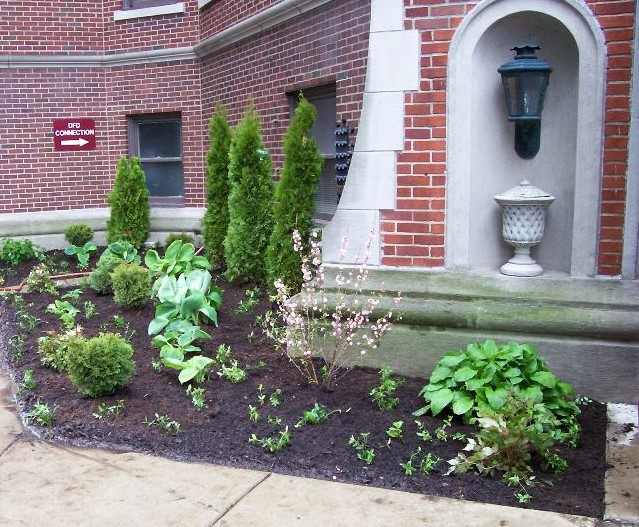
Mulching landscape plants. | Tom Morgan, Owen Tree & Lawn Care
Organic mulch is a powerful tool for improving soil health in Lapeer County, Michigan. Maintaining an adequate mulch layer will provide numerous benefits to your landscape plantings. This natural material, often made from wood chips, leaves, or bark, plays a crucial role in enhancing soil structure, fertility, and sustaining overall plant health.
Enhancing Soil Structure and Fertility
One of the primary ways organic mulch improves soil health in Lapeer County is by enhancing soil structure. As the mulch decomposes, it releases organic matter into the soil, which acts as a binding agent for soil particles. This process creates aggregates that improve soil aeration and drainage, allowing for better root penetration and water infiltration. The improved soil structure is particularly beneficial for Lapeer soils, which are often well-drained and sandy.
The decomposition of organic mulch also contributes significantly to soil fertility. As it breaks down, mulch releases nutrients such as nitrogen, phosphorus, potassium, and various micronutrients into the soil. This gradual release of nutrients promotes healthy plant growth and reduces the need for synthetic fertilizers. Additionally, the increased organic matter enhances the soil's cation exchange capacity (CEC), improving its ability to retain and make nutrients accessible to plants.
Regulating Soil Temperature and Moisture
In Lapeer County's climate, where mean annual precipitation is about 32 inches and mean annual temperature is about 48 degrees F, organic mulch plays a crucial role in regulating soil temperature and moisture. A study by Michigan State University demonstrated that organic mulch can regulate soil temperatures by as much as 18 degrees at mid-day. This temperature regulation creates a more stable environment for plant roots and soil microorganisms.
Mulch also helps conserve soil moisture by reducing evaporation and improving water infiltration. This is particularly important in Lapeer County, where the well-drained soils have moderately high saturated hydraulic conductivity. By maintaining consistent soil moisture levels, mulch reduces the frequency of irrigation, conserving water resources and mitigating drought stress for plants.
Supporting Beneficial Soil Organisms
Organic mulch fosters a favorable environment for beneficial soil organisms, which is crucial for maintaining soil health. The decomposition process creates habitats for earthworms, insects, and beneficial microorganisms. These organisms contribute to nutrient cycling, breakdown of organic matter, and suppression of harmful pathogens, thereby improving overall soil biodiversity and health.
Weed Suppression and Erosion Control
In Lapeer County's landscapes, weed control is a significant concern. Organic mulch creates a physical barrier that suppresses weed growth by blocking light and preventing weed seeds from germinating. This natural weed suppression reduces the need for chemical herbicides, promoting a healthier ecosystem.
Furthermore, organic mulch helps control soil erosion, which is particularly important in Lapeer County where slopes can range from 0 to 60 percent. The mulch layer protects the soil from wind and water erosion, helping to maintain soil integrity and prevent the loss of valuable topsoil.
In conclusion, organic mulch is a valuable resource for improving soil health in Lapeer County. Its ability to enhance soil structure, increase fertility, regulate temperature and moisture, support beneficial organisms, suppress weeds, and control erosion makes it an essential tool for sustainable landscape management. By embracing the use of organic mulch, Lapeer County residents can nurture healthier soils, promote healthy plant growth, and contribute to the long-term sustainability of their local ecosystems.