
Insect Pests
Pantry Pests
| Dec 21, 2024

Pantry; Photo: Tom Morgan
During the course of the year many different insects will wander into and out of the kitchen, dining or food storage areas of your home. There are several that adapt readily to these environs and will set up housekeeping (if you let them). Three of the most common species in Michigan are the:
• Indian meal moth
• Confused flour beetle
• Sawtoothed grain beetle
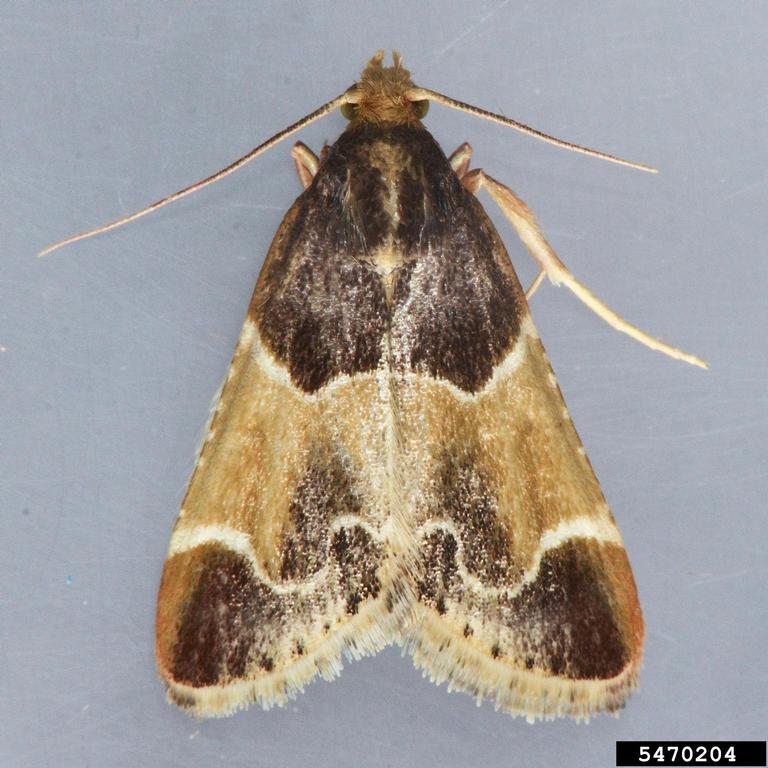
Meal Moth; Photo: Owen Tree Service
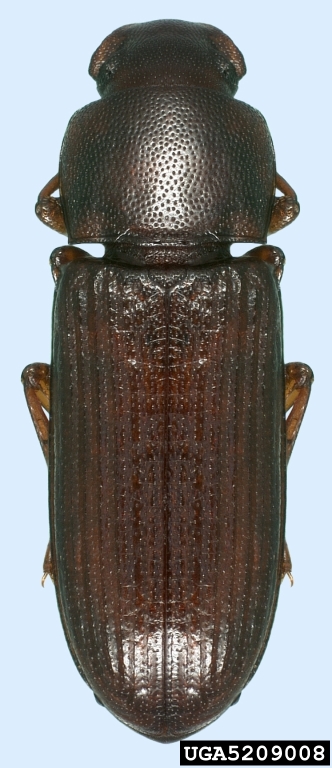
Confused Flour Beetle; Photo: Owen Tree Service
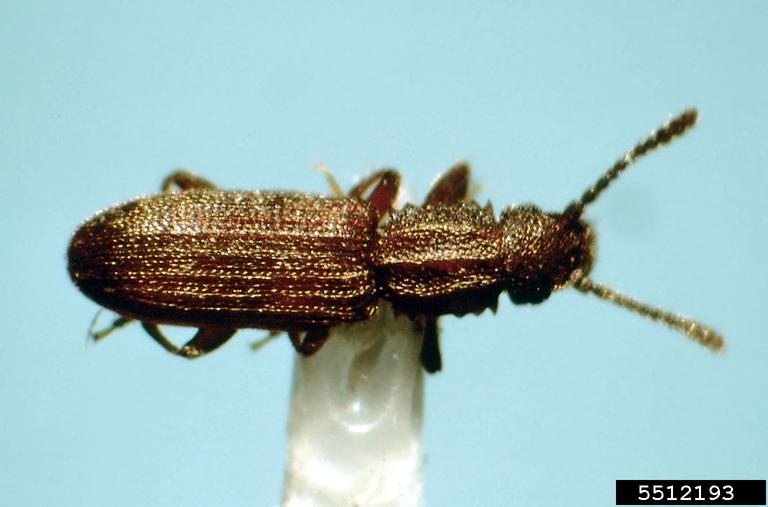
Sawtooth Grain Beetle: Photo: Owen Tree Service
Damage
We refer to the whole group collectively as pantry pests. These insects have an appetite for stored food products in your home such as:
• Flour
• Rice
• Cereal
• Pancake mixes
• Dry pasta
• Cake mixes
• Dry pet food
• Dried flowers
• Powdered milk
• Corn starch
• Crackers
• Spices
• Breads
• Bird seed
• Dried nuts
• Fruit
Pantry pests can become more of a problem when these types of food are stored in paper containers and don’t get used for extended periods of time. The presence of these pests can cause food waste and if favorable conditions (for the insect) are not changed an infestation can persist for a lengthy period of time.
The damage caused by these insects can be termed contamination damage. The contaminants might include living caterpillars, cocoons or webbing, caterpillar feces, or dead insect carcasses.
A prolonged infestation might lead to other insects or spiders seeking to prey on the pantry pests, bacteria decay on dead pantry pests, or rodents attracted due to damaged packaging material.
The larvae and adults of both beetle species actively feed on stored food products. The Indian meal moth adult (caterpillar is the feeding stage) does not feed or cause damage.
Identification
Indian meal moth. If they are present, you’re most likely to see the adult flying around your house, cottage, condo or apartment. With a wingspan of only ½”, they are a rather small moth. Their best identification feature is their copper-reddish brown wing tips. The larval stage is a caterpillar which is also about ½” long, off-white in color and might show greenish or pinkish hues.