
Winter Tree Care
Preventing Snow and Ice Damage to Trees During Michigan Winters
| Dec 29, 2025
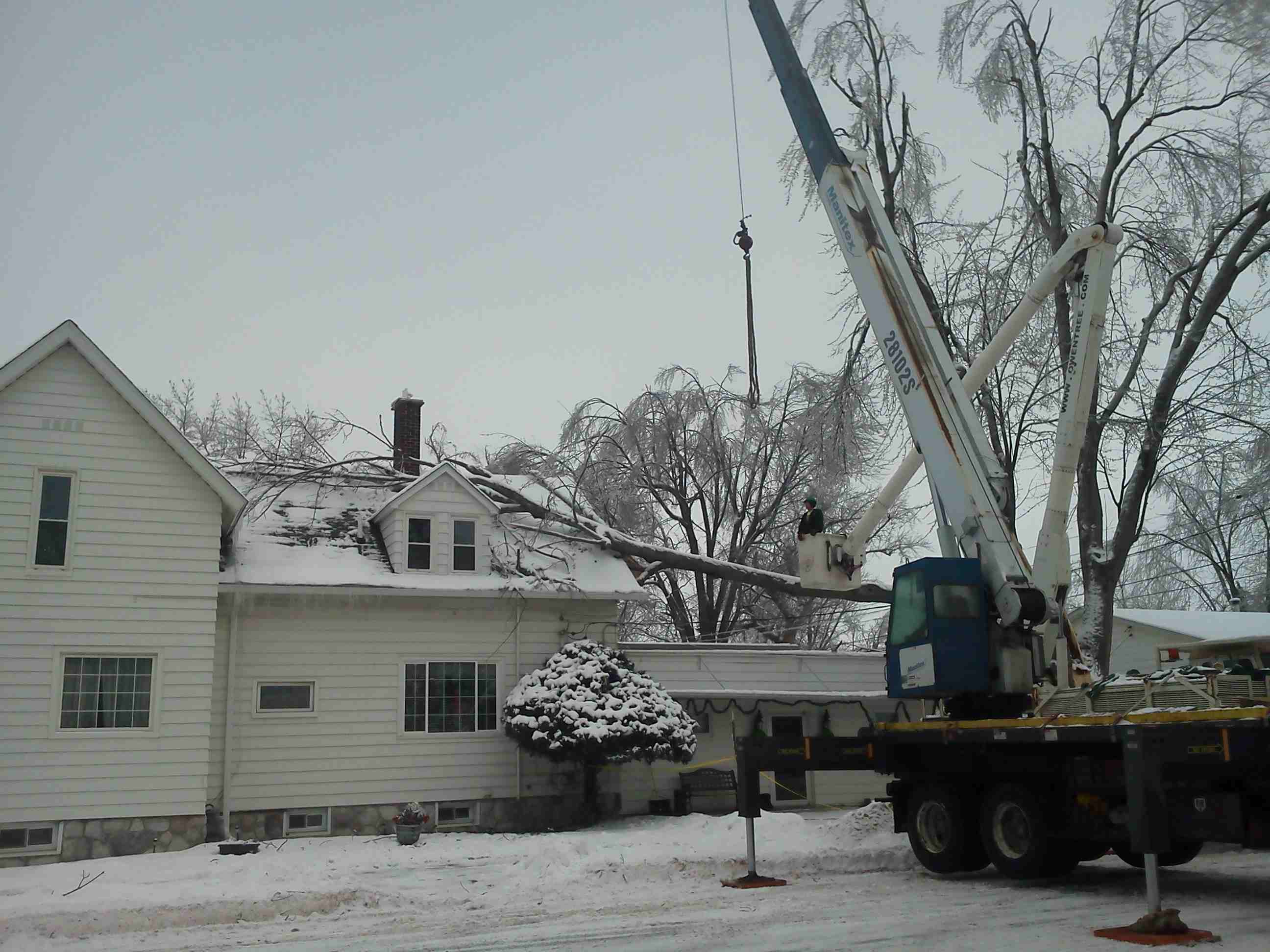
Broken limb caused by ice and snow accumulation. | Owen Tree Service
Michigan winters are a force of nature. With average snowfall exceeding 60 inches in many areas and temperatures plunging below zero, the combination of heavy snow, ice storms, and whipping winds can wreak havoc on trees. From snapped branches to uprooted trunks, the damage isn't just unsightly, it's costly and dangerous. The Michigan State University Extension estimates that winter storm damage to urban trees alone runs into millions of dollars annually in cleanup and replacement. But with proactive planning, proper plant selection, and timely maintenance, homeowners and property managers can significantly reduce risks. This guide walks through proven strategies to protect your trees from Michigan's brutal cold season.
Choose the Right Trees for Michigan's Climate
Prevention starts long before the first flake falls. Selecting species adapted to Zone 5 and 6 hardiness, which covers most of Michigan, ensures inherent resistance against damage from ice loading and wind damage.
Evergreens like white ir (Abies concolor) and Colorado blue spruce (Picea pungens) handle snow well due to their flexible branches. Deciduous trees such as silver maple (Acer saccharinum) and birch trees (Betula spp) shed leaves, reducing surface area for snow accumulation, but their brittle wood and growth habit makes them prone to splitting under ice.
Avoid weak-wooded imports like ornamental flowering pears, which splinter easily in ice storms. When planting, space trees at least 20-30 feet apart to prevent interlocking canopies that trap snow and amplify breakage.
Site selection matters too. Plant on well-drained soil to avoid root freeze-thaw cycles that weaken anchors. In urban settings, keep trees at least 15 feet from power lines - Consumers Energy reports thousands of outages yearly from ice-laden tree branches.
Prune Strategically in Late Fall
Pruning is your tree's best defense. Done correctly, pruning can remove potential hazards, like weak branches, that could fail in an ice or snowstorm. Thinning out excess growth can also reduce the weight load that ice or wet snow can place on tree limbs.
Focus on structural pruning. Whenever possible eliminate co-dominant leaders (two main trunks competing), which create weak V-shaped crotches prone to splitting under excess weight. Aim for a single central leader with branches spaced 18-24 inches apart vertically. Remove dead, diseased, or crossing branches - these act as levers when under the weight of wet snow and ice.
The International Society of Arboriculture (ISA) advises cutting no more than 25% of live canopy in one season to avoid stress. Use the "three-cut method" for branches over 2 inches: First undercut halfway, then cut from above to prevent bark tearing, and finally remove the stub outside the branch collar.
For evergreens, lightly shear tips to encourage dense growth that sheds snow. Hire ISA Certified Arborists for large trees; DIY mistakes can cause more harm to the tree and pruning large trees is inherently dangerous for unqualified individuals. In Michigan, fall and winter pruning also dodges the April-July time period when oak wilt can infect a tree.
Wrap and Protect Young and Vulnerable Trees
Newly planted or thin-barked trees need extra shielding. Wrap trunks with commercial tree guards or burlap from ground to first branches. This helps prevent sunscald - bark splitting from freeze-thaw on sunny winter days - and rodent chewing. Make sure to remove any wrapping in the early spring.
For ice-prone areas like lake-effect zones, install burlap screens or wooden A-frames around small trees. These deflect wind-driven ice, help in reducing snow build up and can protect the plant from road salts.
Anti-transpirants sprayed on evergreen foliage in late fall reduce desiccation from dry winter winds, preserving needle health.
Staking young trees? Use flexible ties that allow sway - rigid stakes create weak roots. Remove stakes after one year.
Manage Snow and Ice Accumulation Actively
When storms hit, don't wait for damage. Gently remove heavy snow with a broom or rake, starting from lower branches and working up to avoid piling more weight on lower limbs. Never shake frozen branches - ice makes them brittle.
For ice, let nature melt it, applying salt or de-icers can harm roots, buds and evergreen foliage. If branches bow dangerously, support with poles or ropes to distribute the weight load.
Post-storm, inspect for cracks. Prune broken limbs immediately to prevent disease entry. Fungal pathogens like Nectria can infect winter wounds in the early spring.
Fertilize and Mulch for Root Health
Healthy roots anchor trees against upheaval. Test soil in fall - Michigan's glacial soils often lack potassium, vital for cold hardiness. Apply slow-release fertilizer according to soil test results.
Mulch 2-4 inches deep around the base of a tree, extending to the dripline, where possible, but keeping it away from the trunk to deter trunk damage. Wood chips retain moisture and insulate roots from temperature extremes.
Water deeply before the ground freezes in the fall to insure trees enter the winter months fully hydrated, reducing desiccation stress.
Deal with Common Michigan Winter Pests
Rodents can girdle tree bark under snow cover. Use hardware cloth cylinders around lower trunks to protect trees from field mice.
Rabbits chew lower branches on some shrubs, with burning bush, weigela and hydrangea being common targets. Fencing around the shrubs will help protect them.
Deer will rub their antlers on young trees, sometimes causing significant damage. Fencing around young trees should be installed in early fall and supported with sturdy poles.
Emergency Response and Insurance Tips
If damage occurs, act fast. Remove hanging branches to prevent personal or property damage. For splits, cabling or bolting by professionals might be an option to save a tree.
Document storm damage for your insurance company. Most Michigan insurers cover storm damage if trees hit structures. Keep photos and any arborist reports or tree work proposals.
Long-Term Landscape Planning
Incorporate windbreaks into your landscaping plan. Plant dense evergreens on north and west sides of your property to buffer lake-effect blasts. Diverse plantings reduce a total loss if one species fails.
Consulting with a local ISA Certified Arborists can help you plan for a storm-resistant landscape.
Proactive Protection Pays Off
Michigan's winters test trees, but informed action minimizes damage. Start with planting appropriate tree species, prune wisely, protect vulnerabilities, and maintain health year-round. A single ice storm can severely damage or destroy a mature tree in your landscape, but these steps will help you preserve your landscape's beauty and safety. Contact Owen Tree and Lawn Care at 800-724-6680 for site-specific advice on protecting your landscape from winter damage. With preparation, your trees will emerge strong when the spring thaw arrives.