
Winter Tree Care
Reducing Ice and Snow Damage on Trees and Shrubs in Wixom
| Feb 22, 2026
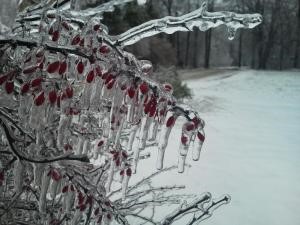
Ice coated branches. | Tom Morgan, Owen Tree Service
Winter in Wixom, MI can be tough on landscapes. ice buildup, heavy snow, and fluctuating temperatures place extra stress on trees and shrubs, increasing the risk of broken limbs, sunscald, and long-term structural issues. However, thoughtful pruning can help plants shed snow more effectively, improve airflow, and minimize storm-related damage. This post offers practical pruning guidance tailored to Wixom homeowners, with a focus on preventing winter-related breakage.
Why Winter Pruning Matters In Wixom
Structural strengthening: By removing weak, crossing, or diseased wood, you create a sturdier framework capable of withstanding heavy snow and ice loads.
Snow shedding optimization: A well-spaced canopy discourages snow from stressing one part of the tree canopy too much.
Airflow and drying: Moderate thinning enhances airflow, reducing prolonged moisture and ice buildup on interior branches.
Storm damage prevention: Preemptive pruning helps prevent limb failure during and after winter storms.
Species-Focused Pruning Goals
Shade trees (maple, linden, oak, etc.): Prioritize structural integrity, remove crossing or crowded limbs, and thin to reduce wind and snow load potential.
Fruit trees: Maintain strong, well-spaced branches that promote good air movement and fruit quality, while minimizing disease risk.
Evergreens (pine, spruce, fir): Remove only dead or damaged branches; crown raise, depending on location.
Ornamentals (dogwood, flowering cherry, crabapple): Improve branching structure to resist ice damage, thin to balance the canopy, and remove rubbing or weak forks.
Pruning Practices To Minimize Winter Damage
Assess before you prune:
• Inspect after storms for damaged limbs, cracks, or signs of disease. Remove hazards first, then prune undamaged parts of the tree.
• Look for structural faults such as narrow "V shaped" branch unions or included bark, and address them with careful cuts.
Tool readiness and technique:
• Use sharp, clean tools. Dull blades crush tissue and can invite decay or disease and reduce healing.
• Make clean, angled cuts just outside the branch collar to encourage rapid healing.
Cuts that support snow shedding:
• Remove dead, diseased, or damaged wood first.
• Eliminate inward-growing branches and branches that rub against others; spacing reduces snow and ice buildup.
• For trees with weak branch or trunk unions, selectively remove smaller branches to reduce the weight that the weak union must support.
Canopy openness without over-thinning:
• Light to moderate thinning improves airflow and drying, reducing snow or ice accumulation on interior branches.
• Exercise caution with evergreens in late winter; excessive thinning can reduce energy reserves. Focus on removing weak, crowded, or dead growth instead.
Crown balance:
• Maintain a balanced crown to distribute weight more evenly and lower the risk of structural failure.
Hazard prevention around structures:
• Keep branches away from roofs, chimneys, and garages to prevent property damage.
• Regularly survey ornamental trees; prune branches that overhang driveways or sidewalks or are too close to buildings.
Wixom-Specific Climate Considerations
Snow loading differences: Wixom’s snow accumulations can vary; anticipate heavier loads after wet snows. Prune to reduce heavier than normal weight loads on vulnerable limbs.
Ice formation: Freezing rain can create heavy ice coatings. Preemptive pruning of susceptible limbs may reduce failure risk during ice storms.
Urban landscape focus: In residential settings, aim for balanced crowns that minimize hazards to people and structures while maintaining view and curb appeal.
Post-Pruning Tips
Mulching and root health: Apply a 2-4 inch layer of organic mulch around the root zone, keeping mulch away from the trunk to prevent rot.
Soil moisture management: Water during dry spells in late fall if rainfall is insufficient; healthy soil helps trees endure winter stress.
Inspect after storms: Look for cracks, splits, or large wounds. Seek professional arborist guidance for any significant structural concerns or disease signs.
Safe snow management: Avoid climbing trees to remove snow. If needed, use a long pole to knock down heavy snow from the ground, or hire professionals for risky removals.
When To Call A Professional Arborist
Storm-damaged trees can be more hazardous than normal to prune or remove. Branches or tree trunks may be under pressure at unusual angles that leads to unpredictable movement when cutting them. It’s highly recommended to call a professional arborist when:
• You have large mature trees near structures or power lines.
• You have a large, fallen tree to remove after a winter storm.
• Branches are heavy, dangerous, or hard to reach.
• You want a professional assessment of structural integrity and safety.
An ISA Certified Arborist from Owen Tree Service can tailor a pruning plan to your landscape, ensuring trees and shrubs emerge from winter in strong condition and ready for spring growth. Drop us a message or call us at 800-724-6680 for an assessment of your trees.