
General
Safeguarding Your Landscape
| Jan 07, 2026
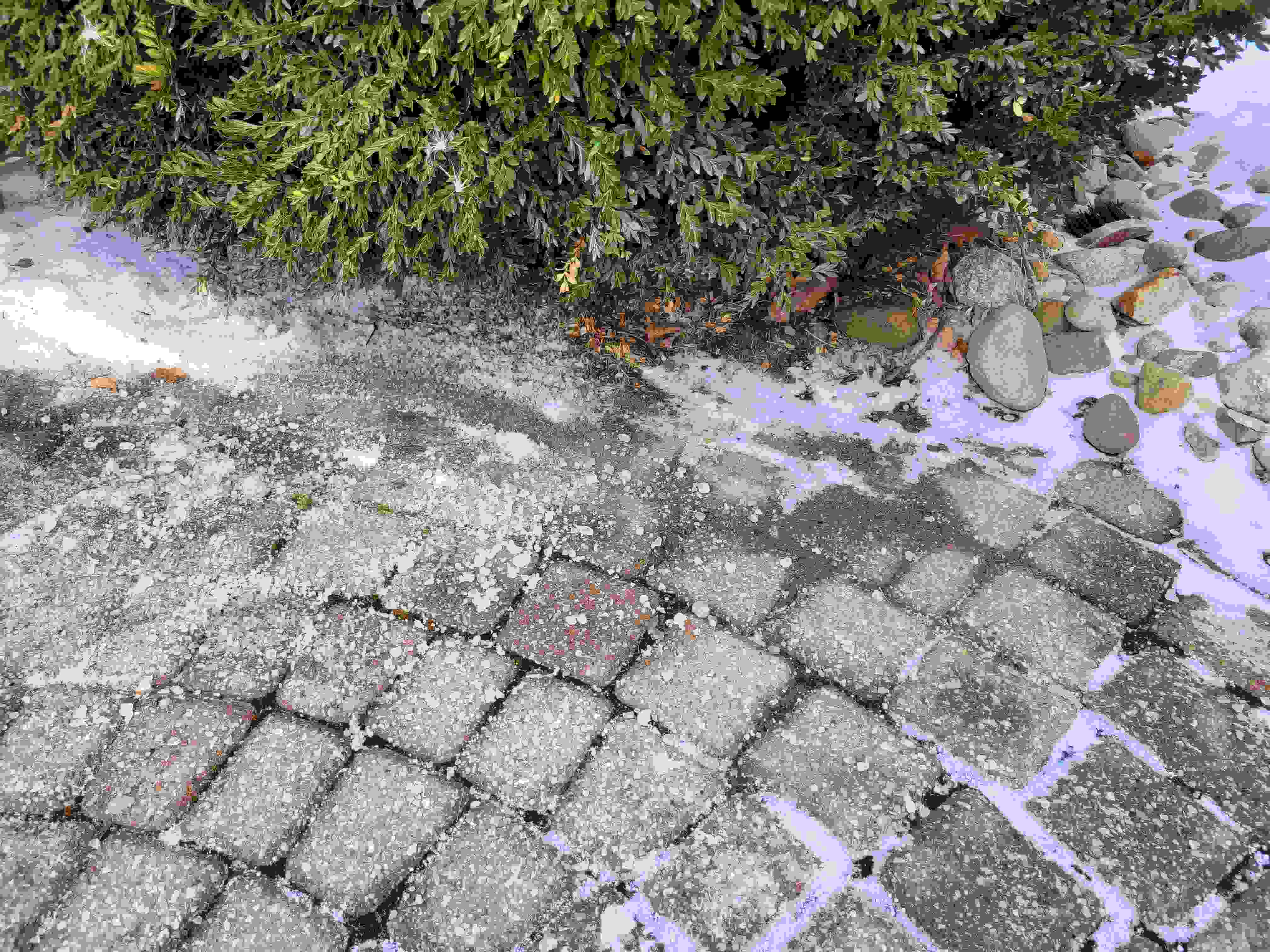
De-icing salts near root zone of boxwood shrubs. | Tom Morgan, Owen Tree Service
Winters in Rochester Hills, Michigan, are a beautiful sight - fresh snow covering subdivisions, parks, and wooded areas while families enjoy the holiday season. But beneath that picturesque blanket lies a hidden challenge for homeowners: the widespread use of deicing salts on roads, sidewalks, and driveways. These salts, primarily sodium chloride, are essential for safety on icy surfaces, yet they take a serious toll on nearby trees, shrubs, and ornamental plants.
I have frequently responded to calls from Rochester Hills residents noticing unexplained browning, dieback, or declining health in their landscapes in the spring. Often, the culprit is accumulated road salt from winter treatments. Salt damage isn't always immediate; symptoms can appear months later, making early awareness and prevention critical for protecting your investment in susceptible trees and shrubs.
Let's explore the science behind salt's impact on plants and why this issue hits particularly hard in our suburban Oakland County community.
1. Osmotic Stress: Making Water Unavailable
When deicing salt dissolves and seeps into the soil, it dramatically increases salinity levels. This creates an osmotic imbalance where water in the soil becomes "bound" to salt molecules. Plant roots struggle to draw in moisture, even during spring thaws when water seems plentiful. The result resembles drought stress—wilting, reduced growth, and overall weakness—despite adequate precipitation. In Rochester Hills, where many properties border busy roads, roadside plantings suffer the most from this effect.
2. Direct Toxicity from Sodium and Chloride Ions
Salt breaks down into sodium and chloride ions, both of which can be toxic at high concentrations. Sodium displaces beneficial nutrients in the soil, interfering with the uptake of potassium, calcium, and magnesium—elements essential for strong cell walls, photosynthesis, and disease resistance. Chloride, meanwhile, accumulates in leaves and needles, directly damaging plant tissues. Evergreens like arborvitae, yews, and white pines are especially vulnerable because they retain foliage year-round, allowing toxins to build up without the annual shedding that deciduous trees enjoy.
3. Degradation of Soil Structure
Over time, excess sodium causes clay particles in soil to disperse, leading to compaction and poor drainage. Compacted soil restricts root expansion, limits oxygen availability, and exacerbates waterlogging during heavy rains. In Rochester Hills' clay soils, this deterioration accelerates, turning once-healthy root zones into hostile environments that stunt growth and increase susceptibility to root rot.
4. Nutrient Imbalances and Deficiencies
High salt levels alter soil chemistry, making certain nutrients less available while allowing others to reach harmful concentrations. Common symptoms include chlorosis (yellowing between leaf veins from iron or magnesium deficiency) and marginal leaf burn. These imbalances weaken plants, reducing their ability to produce energy and defend against environmental stresses.
5. Visible Injury to Foliage and Roots
One of the most recognizable signs of salt damage is leaf scorch—browning or scorching along leaf margins and tips that appears in late spring or early summer. On evergreens, needle tips turn brown, often starting on the side facing the road where salt spray lands. Underground, roots experience cellular damage and necrosis, impairing water and nutrient absorption. Severely affected plants may develop "witches' brooms"—abnormal clusters of twigs—as a growth response to salt spray.
6. Accelerated Water Loss Through Transpiration
Salty soil forces plants to work harder to retain internal moisture. Combined with wind exposure common in Rochester Hills' open subdivisions, this leads to excessive transpiration and chronic dehydration, further stressing already compromised trees and shrubs.
7. Challenges for New Plantings and Seed Germination
High soil salinity inhibits seed germination and root establishment in young plants. This makes it difficult to successfully install new landscaping near driveways or streets routinely treated with salt. Many failed plantings in spring can trace back to lingering winter salt residues.
8. Cumulative Weakening and Secondary Problems
Perhaps the most concerning aspect is how salt stress compounds over multiple seasons. Repeated exposure gradually weakens plants, making them far more prone to insect infestations, fungal diseases, and storm damage. In our area, where emerald ash borer and oak wilt already threaten certain species, salt-weakened trees face an even greater risk of irreversible decline.
Why Rochester Hills Faces Heightened Risk
Rochester Hills combines suburban development with abundant green spaces, meaning many homes sit close to well-traveled roads maintained aggressively during snow events. Municipal plowing and salting along major corridors, plus homeowner applications on private drives and walks, create concentrated salt exposure zones. Runoff flows into lawns, landscape beds, and natural areas, affecting not just roadside plantings but entire landscapes. Clay soils retain salts longer than sandy types, prolonging the damage window.
Effective Strategies to Minimize Salt Damage
The good news? Homeowners can take practical steps to protect their plants:
• Plant Salt-Tolerant Species: When designing or replacing landscaping, choose varieties proven to handle moderate salt exposure. Excellent tree options include Honeylocust, Hawthorn, Littleleaf linden, Serviceberry, and certain Oaks like Bur or English. For shrubs, consider Rugosa rose, Potentilla, Sumac, or Viburnum species.
• Enhance Soil Health: Regularly incorporate organic matter such as compost or aged manure to improve structure, increase microbial activity, and help buffer salt effects. Applications of gypsum can aid in displacing sodium from clay particles.
• Strategic Placement and Barriers: Position sensitive plants farther from roads and drives. Install burlap windbreaks or snow fencing to deflect salt spray during winter.
• Careful Deicing Choices: Use alternatives like calcium magnesium acetate (CMA) or sand for traction on driveways or sidewalks. Apply salt sparingly and sweep up excess salt.
• Spring Flushing: Once soil thaws and temperatures rise consistently, deeply water affected areas to leach salts below root zones. Avoid overwatering, but several thorough soakings help significantly.
• Foliage Rinsing: On mild late-winter days, gently hose down evergreens to remove surface salt deposits before bud break.
• Professional Soil Testing: Periodic testing reveals salinity levels and guides targeted amendments.
Building overall plant vigor through proper pruning, fertilization, and pest management also improves resistance to salt stress.
We're Here to Help Preserve Your Landscape
If your trees or shrubs show signs of salt injury—or if you'd like proactive advice tailored to your property—Owen Tree Service is ready to assist. Our ISA Certified Arborists specialize in diagnosing environmental stress, recommending tolerant replacements, and implementing soil remediation plans suited to your landscape.
Don't let winter safety measures unintentionally harm your beautiful yard. Contact Owen Tree Service today for a comprehensive evaluation and personalized protection strategy. Together, we can keep Rochester Hills green and thriving through every season.