
Winter Tree Care
Snow and Ice Damage to Trees and Shrubs in Franklin Landscapes
| Feb 16, 2026
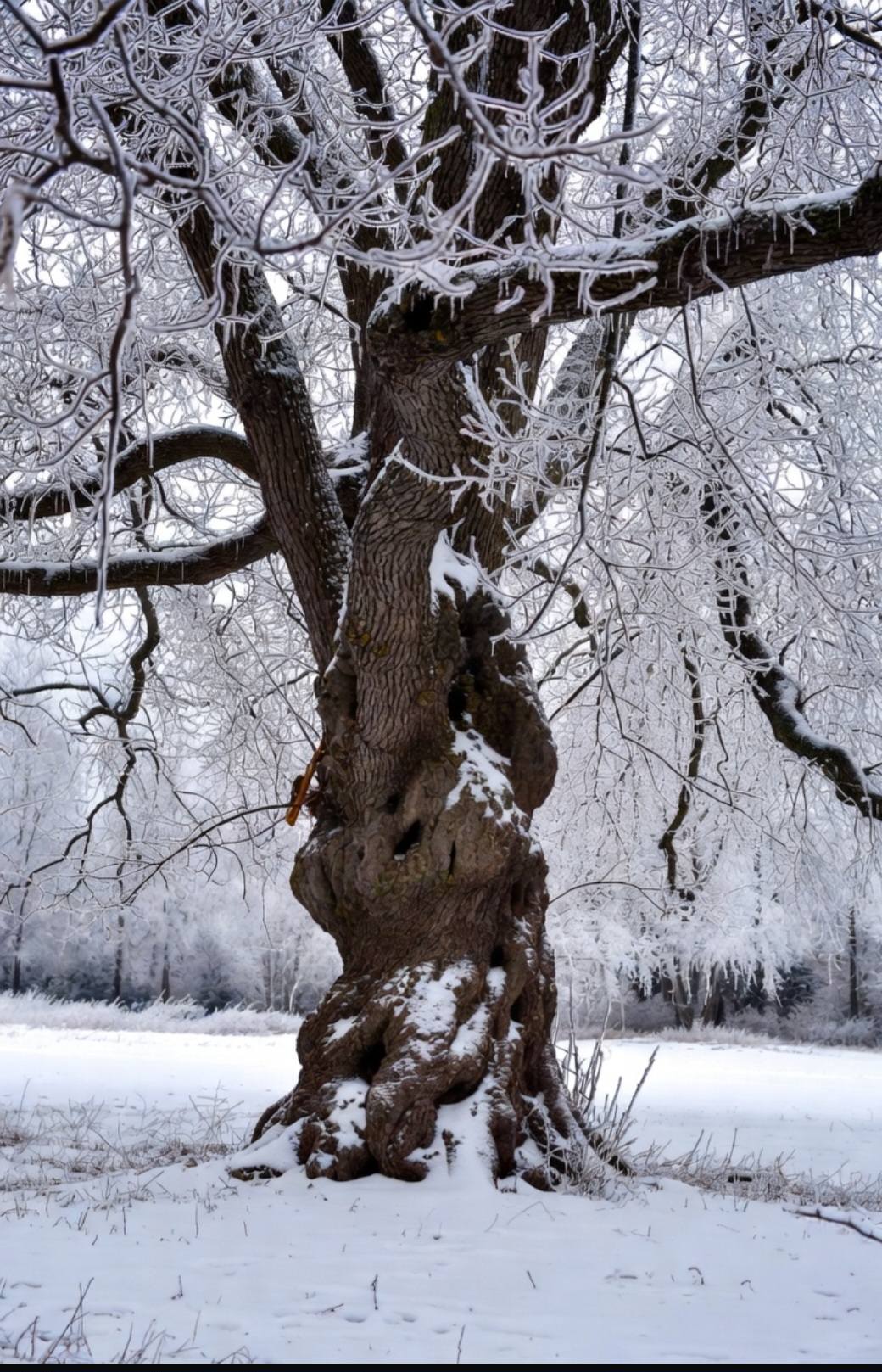
Ice-coated limbs on mature tree. | Trisha Boyd, Owen Tree Service
Winter in Franklin, Michigan brings picturesque landscapes, snow covered trees, and beautifully frosted yards. But beneath that scenic beauty, heavy snow and icy conditions can place serious stress on trees and shrubs. The weight of wet snow and thick ice can lead to broken branches, distorted plant growth, and safety hazards around homes and walkways.
This guide helps Franklin residents understand why winter damage occurs, what to look for, how to respond, and ways to protect trees and shrubs throughout the season.
What Causes Snow & Ice Damage?
1. Added Weight from Accumulation
• Wet snow and ice add heavy loads to branches that haven’t grown to support them.
• Broad-branched trees catch more snow and ice than narrow or upright species.
• Icy coatings can add many times more weight than snow alone.
2. Weak Branch Structure
• Trees with narrow branch angles, included bark, or congested canopies are more prone to failure.
• These weak points are common in older trees that haven’t been structurally pruned.
3. Freeze–Thaw Cycles
• Repeated warming and refreezing can make ice layers heavier and more persistent on limbs.
• Once ice sticks, it’s difficult for snow to shed on its own.
4. Shrub Susceptibility
• Low-growing shrubs like hydrangea or forsythia easily bend or break under heavy snow.
• Evergreens tend to hold snow longer, increasing stress on stems.
Typical Winter Damage in Franklin Landscapes
Here are the kinds of issues Franklin homeowners often see after heavy snow or ice:
Broken Branches
• Sudden breakage due to excessive load.
• Split limbs can allow disease and pests to enter the tree.
Bent or Crooked Growth
• Some shrubs bend under weight and don’t return to their original shape.
• Evergreens often look lopsided after heavy snow events.
Trunk or Structural Damage
• Fractured branch unions or cracks near the main trunk can weaken trees long-term.
• Large breaks high in the canopy can alter future growth.
Root Displacement
• Freeze–thaw cycles can damage shallow roots of trees and shrubs.
How to Spot Snow & Ice Damage (Your Inspection Checklist)
After a winter storm, take time to walk your property and assess plant health. Use this checklist:
• Heavy snow clinging to branches
• Hanging or cracked limbs
• Branches on the ground near the drip line
• Sudden tilting or leaning of trees
• Split branch/trunk unions or splits in branches
• Shrubs bent out of shape
• Roots lifted or exposed at the base
Mark any risky or unstable branches with ribbon so family members know to avoid that area.
Immediate Actions After a Storm
1. Put Safety First
• Stay clear of snow-laden branches that could snap.
• Avoid shaking large limbs — this can cause sudden breakage or strike you.
2. Gently Remove Snow — When Safe
For light to moderate snow:
• Use a soft broom or pole.
• Sweep from the trunk outward, so snow drops away from the tree.
• Don’t yank or pull — gentle pressure is key.
3. Don’t Try to Remove Ice
• Never attempt to chip ice off branches.
• Ice firmly adheres and trying to remove it often causes more damage.
4. Straighten Bent Shrubs
• Once snow melts, gently lift shrubs upright if possible.
• Stakes or temporary supports can help them regain form.
How Pruning Can Help
Best Time to Prune
• Late winter or early spring (before new growth starts) is ideal for repairing damage – especially important for oak and elm trees.
Pruning Tips
• Remove broken, cracked, or split branches back to a strong lateral branch or trunk.
• Clean, proper cuts promote faster healing and reduce risk of decay.
• Avoid leaving stub cuts — these can harbor disease.
When to Seek a Professional
Call an ISA Certified Arborist if you see:
• Large broken limbs, especially over driveways or structures.
• Major splits near the trunk.
• Multiple significant breaks.
• Trees leaning toward structures or power lines.
An arborist can assess whether a tree should be corrected, braced, or removed. They can also assess tree and shrub plant health concerns.
Preparing Trees & Shrubs Before Winter
Franklin’s winter weather can be tough, but these steps help strengthen your landscape:
1. Regular Structural Pruning
• Removing weak, crossing, or crowded branches helps trees shed snow more easily.
• A balanced canopy distributes weight better.
2. Select Hardy Species
Some plants handle snow and ice better than others:
• Trees with strong wood and open structure.
• Shrubs like boxwood, juniper, and yew (though they can still bend under heavy wet snow).
3. Avoid Topping Trees
• Topping leads to weak, fast regrowth — increasing vulnerability to snow and ice.
4. Mulch for Root Protection
• Apply 2–4 inches of mulch around trees and shrubs.
• Don’t pile mulch against trunks — this can invite pests and rot.
5. Protect Young or Ornamental Shrubs
• Install temporary supports or stakes before winter storms.
• These supports help shrubs maintain their shape and prevent bending.
Special Considerations for Franklin Properties
Franklin’s scenic, wooded lots often include mature trees and ornamental plantings.
That means:
• Older trees enhance beauty but may need periodic structural maintenance.
• Shrubs near walkways and walls often bear the brunt of drifted snow and salt damage.
• Consider regular landscape assessments to stay ahead of potential winter damage.
Local arborists and landscape professionals serving Franklin can provide insights specific to your property’s conditions and plant types.
What to Do After Winter
Once snow and ice season winds down:
• Inspect for delayed problems. Some damage doesn’t show until spring.
• Water generously during dry early spring spells — trees need moisture to recover.
• Watch for pests and diseases entering through damaged wood.
• Plan any structural pruning before spring growth begins.
Final Thoughts
Winter in Franklin is magical — but snow and ice can be unforgiving on trees and shrubs. By knowing the risks, spotting damage early, and taking preventative action, you’ll protect the health and beauty of your landscape.
When in doubt, consult an ISA Certified Arborist — protecting your trees is an investment in your property’s long-term value, safety and beauty.