
Organic Mulch
The Impact of Organic Mulch in Livingston County Landscapes
| Oct 25, 2025
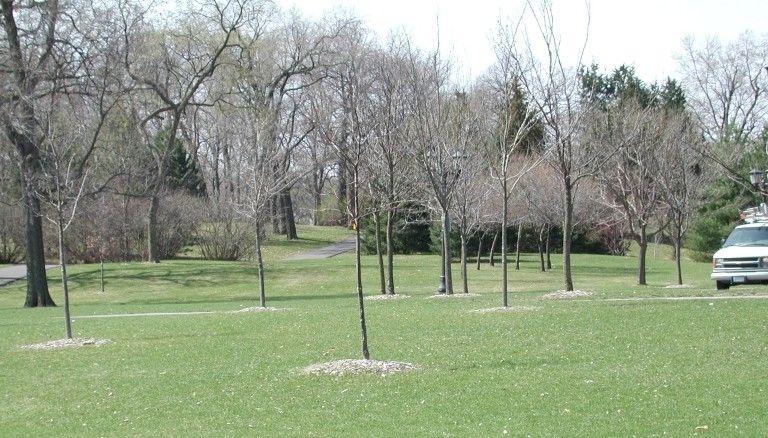
Mulching of new tree plantings. | Joseph OBrien, USDA Forest Service, Bugwood.org
There are a lot of different materials that can be used to dress up landscape beds, such as river rock, bark or wood chip mulch, rubber mulch or oranmental stones. Among all the options available organic mulch is the one that is going to help your plants over the long term. Organic mulch significantly impacts soil health and fertility through several key mechanisms:
Soil Structure Improvement
Organic mulch enhances soil structure as it decomposes, releasing organic matter that binds soil particles into aggregates. This process creates pore spaces in the soil, improving aeration and drainage. The improved structure allows for better root penetration and water infiltration, which are essential for plant growth and nutrient uptake.
Nutrient Enhancement
As organic mulch breaks down, it releases essential nutrients such as nitrogen, phosphorus, potassium, and micronutrients into the soil. This gradual release of nutrients promotes healthy plant growth and reduces the need for synthetic fertilizers. The addition of organic matter also increases the soil's cation exchange capacity (CEC), enhancing its ability to retain and make nutrients accessible to plants.
Moisture Retention
Organic mulch acts as a barrier between the soil surface and the atmosphere, reducing water evaporation and maintaining soil moisture levels. This moisture conservation is particularly beneficial during dry periods, supporting plant hydration and reducing stress.
Temperature Regulation
Mulch helps regulate soil temperature by providing insulation. It keeps the soil cooler in hot weather and warmer in cold weather, creating a more stable environment for plant roots and microbial activity throughout the year.
Microbial Activity Support
Organic mulch fosters a favorable environment for beneficial soil organisms, including microbes, fungi, earthworms, and insects. These organisms contribute to nutrient cycling, organic matter breakdown, and suppression of harmful pathogens, improving overall soil biodiversity and health.
Weed Suppression
By creating a physical barrier over the ground, a 2-4” layer of organic mulch hinders weed seed germination and growth. This natural weed suppression reduces the need for chemical herbicides, promoting a healthier ecosystem.
Erosion Control
Mulch helps stabilize the soil by improving its structure and encouraging root system growth, which reduces erosion caused by wind and water.
Organic mulch plays a crucial role in enhancing soil health and fertility by improving soil structure, providing nutrients, regulating moisture and temperature, supporting beneficial organisms, suppressing weeds, and controlling erosion. These benefits contribute to sustainable landscape maintenance practices and long-term soil productivity.