
Landscape Mulch
The Importance of Mulching in Macomb County Landscapes
| Jan 30, 2026
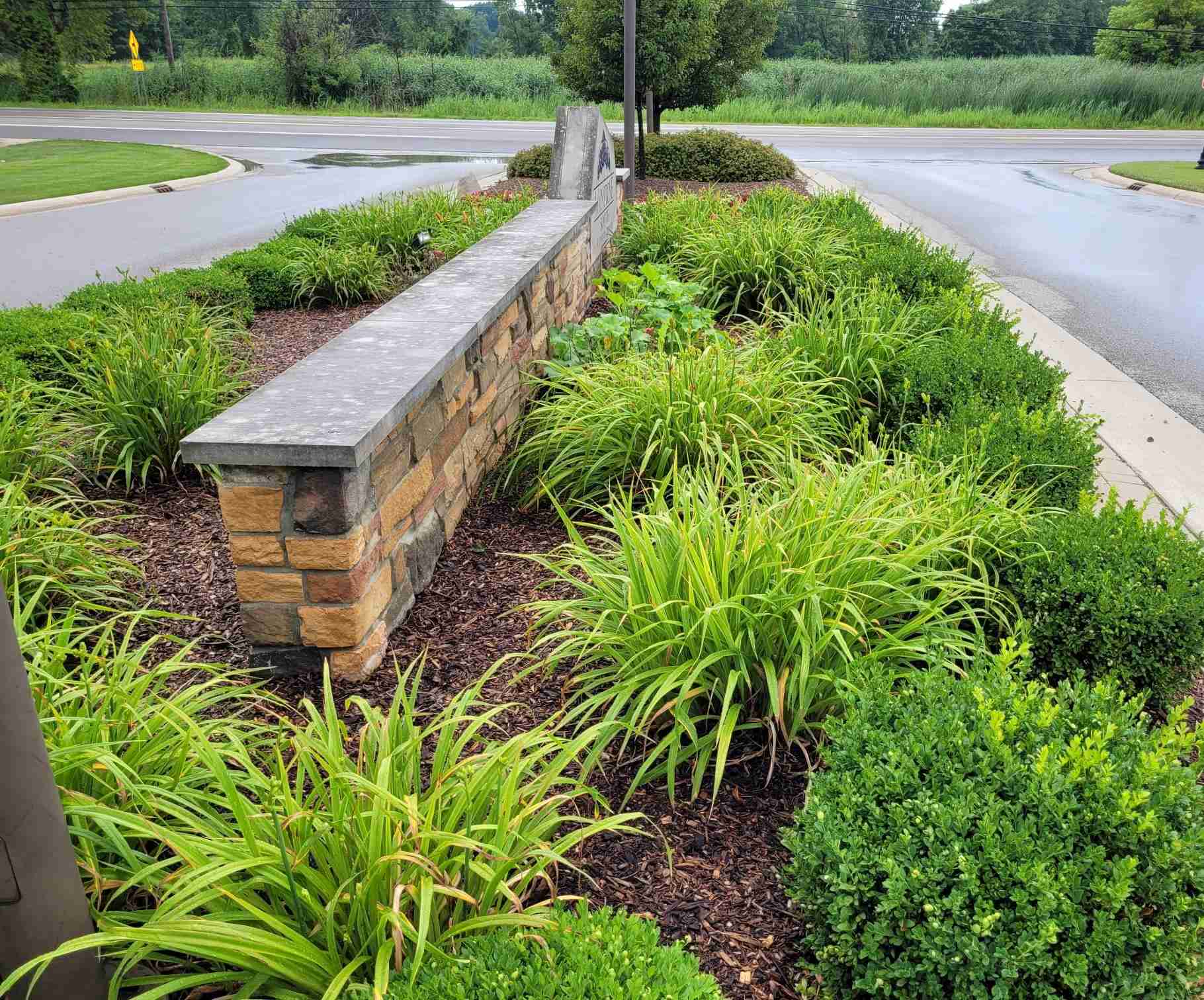
Mulched boxwood and daylily shrub bed. | Tom Morgan, Owen Tree & Lawn Care
Mulch plays a critical role in maintaining the health, stability, and longevity of trees and shrubs in Macomb County, Michigan landscapes. While mulch is often viewed as a purely aesthetic addition to landscapes, proper mulching practices directly influence soil health, root development, moisture retention, and overall plant performance. When installed correctly, mulch supports strong growth and protects trees and shrubs from a wide range of environmental stressors common to both residential and commercial landscapes.
Unfortunately, improper mulching is widespread. Excessive mulch depth, mulch piled against tree trunks, and incorrect material selection can all cause serious long-term problems for your landscape plants. Understanding the importance of mulch, the benefits it provides, and how to install it correctly is essential to protect the investment you have in your landscape.
Why Mulch Matters in Macomb County Landscapes
Macomb County landscapes face a variety of environmental challenges that directly affect soil and root conditions. Temperature extremes, compacted soils, limited rooting space, and inconsistent moisture levels all place stress on trees and shrubs. Mulch helps moderate these conditions and creates a more stable growing environment.
Trees growing in natural settings benefit from layers of organic material that fall and decompose over time. In developed landscapes, this natural process is often interrupted. Mulch serves as a substitute for this lost organic layer and restores critical functions to the soil.
When applied properly, mulch works quietly beneath the surface to support plant health year after year.
Key Benefits of Proper Mulching
Mulch provides several important benefits that directly affect tree and shrub health.
1. Moisture Retention
Mulch helps soil retain moisture by reducing evaporation. This is especially important during hot summer months when rainfall can be inconsistent. By maintaining more consistent soil moisture, mulch reduces drought stress and supports steady root function.
2. Soil Temperature Regulation
Mulch acts as insulation for the soil. It keeps soil cooler during summer heat and provides protection during winter temperature fluctuations. Stable soil temperatures encourage healthy root growth and reduce stress caused by sudden environmental changes.
3. Soil Health Improvement
Organic mulch breaks down gradually over time, adding organic matter to the soil. This improves soil structure, increases microbial activity, and enhances nutrient availability. Healthier soil leads to stronger root systems and improves overall plant vigor.
4. Weed Suppression
Mulch reduces weed growth by blocking sunlight from reaching weed seeds. Fewer weeds mean less competition for water and nutrients and reduced need for chemical weed control in shrub beds or around tree rings.
5. Protection From Mechanical Damage
Mulch creates a buffer zone between trees and lawn equipment. This reduces the risk of trunk damage from lawn mowers and string trimmers, which are common causes of long-term decline in urban landscapes.
Mulch and Root Health
Roots are the foundation of tree and shrub health. Most fine absorbing roots grow in the upper few inches of soil, where oxygen, moisture, and nutrients are most available. Mulch protects this critical root zone from compaction, temperature extremes, and moisture loss.
In Macomb County, compacted soils are common in both new and established landscapes. Mulch helps reduce surface compaction by softening foot traffic impact and improving soil structure over time. This allows roots to grow more freely and function more efficiently.
Common Mulching Mistakes
Improper mulching can be just as harmful as not mulching at all. Many tree and shrub problems seen by arborists are directly linked to incorrect mulch installation. These mulching mistakes include:
1. Mulch Volcanoes
One of the most common mistakes is piling mulch against the trunk of a tree. This practice traps moisture against the bark, reduces oxygen to the root collar, and creates conditions favorable for decay, fungal growth, insect infestation, and girdling roots.
Trees are not meant to have soil or mulch against their trunks. The root flare must remain visible and exposed to air.
2. Excessive Mulch Depth
Applying too much mulch can restrict oxygen movement into the soil. Thick mulch layers also encourage roots to grow upward into the mulch rather than into the soil, leading to weak and unstable root systems.
3. Improper Mulch Materials
Using mulch that contains construction debris, large wood chunks, or poorly processed material can interfere with soil health. Some dyed mulches may also contain undesirable materials depending on their source.
Proper Mulch Installation
Correct mulch installation is simple but precise. Following proper guidelines ensures mulch provides benefits rather than causing harm.
1. Mulch Depth
Mulch should be applied at a depth of approximately two to three inches. This depth is sufficient to retain moisture, regulate temperature, and suppress weeds without restricting oxygen flow.
2. Mulch Placement
Mulch should be spread evenly over the root zone while keeping it away from the trunk or stems. The root flare must remain visible.
3. Mulch Shape
Mulch should form a flat or slightly saucer shaped layer, not a mound. The goal is to mimic natural forest conditions rather than creating artificial piles.
4. Mulch Area Size
Expanding the mulch area beyond a narrow ring provides greater benefit. A wider mulch zone protects more roots, reduces turf competition, and improves long term tree performance.
Mulch and Newly Planted Trees
Proper mulching is especially important for newly planted trees and shrubs. Transplanted plants experience root loss and require stable soil conditions to reestablish. Mulch helps newly planted trees by:
- Retaining moisture around the root ball.
- Reducing competition from turf grass.
- Moderating soil temperature.
- Encouraging outward root growth.
Correct mulching during the first several years after planting greatly improves establishment success.
Seasonal Mulching Considerations
Mulch can be installed at most times of the year, but spring and fall are particularly beneficial. Spring mulching helps retain moisture heading into summer, while fall mulching protects roots from winter temperature fluctuations.
Mulch and Long-Term Landscape Management
Mulch is a long-term investment in landscape health. Trees and shrubs that are mulched correctly experience less stress, require fewer corrective treatments, and maintain better structure and appearance over time.
In commercial and municipal landscapes, proper mulching reduces maintenance needs and improves safety by minimizing exposed roots and soil erosion. In residential landscapes, mulch enhances curb appeal while supporting plant health.
Why Professional Guidance Matters
While mulching appears simple, correct installation requires understanding tree biology and soil conditions. Arborists frequently find improper mulching that has contributed to landscape tree or shrub decline over many years.
Professional oversight ensures mulch is installed correctly, maintained properly, and integrated into an overall plant health care strategy.
Conclusion
Mulch is one of the most effective and affordable tools for improving tree and shrub health in your landscape. When installed correctly, mulch conserves moisture, protects roots, improves soil health, and reduces environmental stress. When installed incorrectly, it can contribute to serious long-term problems.
Understanding the importance of mulch and following proper installation practices protects landscape investments and supports healthy growth for years to come.
At Owen Tree Service we know that proper mulching is a core part of maintaining the health, stability, and longevity of trees and shrubs in Macomb County landscapes. If you need a price for mulching your landscape, contact us today at 800-724-6680.