
Lawn Care
The Ultimate Guide to Proper Lawn Watering in Davisburg, Michigan
| Aug 08, 2025
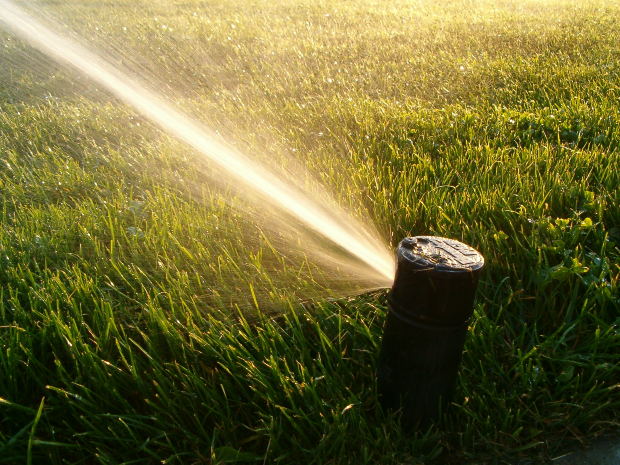
Lawns should receive 1 – 1.5" of water per week. Photo: imelenchon, www.morguefile.com
A lush, green lawn is a point of pride for many homeowners in Davisburg, Michigan, but achieving and maintaining it requires more than just occasional watering. Proper lawn watering is the cornerstone of a healthy, green lawn, especially in a region with a climate as varied as Michigan’s. Without the right approach, your grass can become stressed, leading to brown patches, stunted growth, and weed invasions. To help your lawn thrive, this guide explores the best watering practices tailored to Davisburg’s unique conditions, offering practical tips, tools, and strategies to keep your lawn looking its best year-round.
Why Proper Watering Matters
Water is essential for grass health, as it supports photosynthesis, nutrient uptake, and root development. However, both overwatering and underwatering can harm your lawn. Overwatering can lead to shallow root systems, fungal diseases, and wasted resources, while underwatering stresses grass, causing it to wilt and become susceptible to pests and weeds. In Davisburg, where summers can be warm and winters harsh, understanding how to water effectively is critical to maintaining a health lawn that can resist disease and insect pests.
The goal is to provide your lawn with the right amount of water at the right time, encouraging deep root growth and drought resistance. This guide will walk you through the key principles of lawn watering, from timing and frequency to tools and techniques, all tailored to Davisburg’s climate and soil conditions.
Understanding Davisburg’s Climate and Soil
Davisburg experiences a temperate climate with distinct seasons. Summers are warm, with average high temperatures in July reaching the low 80s°F, while winters are cold, often dipping below freezing. Rainfall is relatively evenly distributed throughout the year, with an annual average of about 32 inches. However, summer dry spells and occasional heatwaves can leave lawns parched, making supplemental watering essential.
Soil type also plays a significant role in how your lawn absorbs and retains water. Davisburg’s soils vary but often include loamy or clay compositions, common in southeastern Michigan. Loamy soils, which are a mix of sand, silt, and clay, retain moisture well but drain adequately, making them ideal for most grass types. Clay soils, on the other hand, are denser and hold water longer, which can lead to waterlogging if not managed properly. Sandy soils, less common in the area, drain quickly and may require more frequent watering.
To determine your soil type, perform a simple test: take a handful of moist soil, squeeze it, and observe its texture. If it holds its shape but crumbles easily, it’s likely loamy. If it feels sticky and forms a tight ball, it’s clay-heavy. Knowing your soil type will help you adjust your watering practices to ensure optimal moisture levels.
The Key to Healthy Lawns: Deep and Infrequent Watering
One of the most effective watering strategies for Davisburg lawns is deep and infrequent watering. This approach encourages grass roots to grow deep into the soil, creating a robust root system that can access moisture even during dry periods. Deep roots make your lawn more drought-resistant and less dependent on frequent watering, which is especially important during Michigan’s occasional summer heatwaves.
How Much Water Does Your Lawn Need?
As a general rule, most lawns in Davisburg require about 1 to 1.5 inches of water per week, including rainfall. This amount ensures that water penetrates 6 to 8 inches into the soil, reaching the root zone of most grass types, such as Kentucky bluegrass, perennial ryegrass, or fescue, which are common in Michigan.
To measure how much water your lawn is receiving, place a shallow container, like a tuna can, in the watering zone. One inch of water in the container equates to adequate watering for most lawns. If you’re using a sprinkler, check how long it takes to reach this level - typically 20 to 30 minutes for most systems.
How Often Should You Water?
Rather than watering lightly every day, aim for one or two deep watering sessions per week. Frequent, shallow watering promotes weak, shallow roots that are less resistant to drought and stress. During periods of heavy rainfall, you may not need to water at all, but in dry spells, you may need to supplement your normal watering with additional sessions. Always check the weather forecast and adjust your schedule accordingly.
The Best Time to Water Your Lawn
Timing is critical when watering your lawn. The best time to water is early in the morning, between 5 a.m. and 9 a.m. During these hours, temperatures are cooler, winds are calmer, and evaporation rates are lower, allowing the grass to absorb water efficiently. Morning watering also ensures that grass blades dry before evening, reducing the risk of fungal diseases like dollar spot or brown patch.
Avoid watering in the evening or at night, as prolonged moisture on grass blades can promote mold and fungal growth, especially in Michigan’s humid summers. Midday watering, while better than evening, is less efficient due to higher evaporation rates caused by heat and wind.
Tools and Techniques for Effective Watering
Choosing the right tools and techniques can make lawn watering easier and more efficient. Here are some options suited for Davisburg lawns:
Sprinklers
Sprinklers are a popular choice for watering large lawns. Oscillating sprinklers are ideal for rectangular areas, while rotary or impact sprinklers work well for circular or irregularly shaped lawns. Look for models with adjustable settings to control water distribution and avoid overwatering certain areas. To ensure even coverage, overlap sprinkler patterns by about 50% and move the sprinkler periodically if needed.
Soaker Hoses
For smaller lawns or garden beds adjacent to your lawn, soaker hoses are an excellent option. These porous hoses deliver water directly to the soil, minimizing evaporation and runoff. Lay them in a serpentine pattern to cover the desired area and use a timer to control watering duration.
Irrigation Systems
For convenience and precision, consider installing an in-ground irrigation system. These systems can be programmed to water at optimal times and deliver consistent amounts of water. However, they usually require professional installation and regular maintenance to prevent leaks or clogs and repair of broken sprinkler heads. If you opt for an irrigation system, choose one with a rain sensor to avoid watering during rainy periods.
Smart Watering Technology
Smart irrigation controllers, such as those compatible with weather apps, can adjust watering schedules based on real-time weather data. These devices are particularly useful in Davisburg, where weather can be unpredictable. By syncing with local forecasts, smart controllers reduce water waste and ensure your lawn gets just the right amount of moisture.
Adjusting for Weather and Seasonal Changes
Davisburg’s climate requires flexibility in your watering routine. Here’s how to adapt to seasonal and weather variations:
• Spring: Spring in Davisburg is often wet, with frequent rain showers. Reduce supplemental watering unless you notice dry patches or prolonged dry spells. Focus on aerating your lawn to improve water penetration and reduce compaction.
• Summer: Hot, dry periods in July and August may necessitate more frequent watering, especially for newly seeded or sodded lawns. Monitor soil moisture and increase watering to 1.5 inches per week during heatwaves.
• Fall: As temperatures cool, reduce watering frequency but continue deep watering to prepare your lawn for winter dormancy. Healthy roots in fall lead to a stronger lawn in spring.
Always check soil moisture before watering. Insert a screwdriver or soil probe 6 inches into the ground; if it goes in easily, the soil is moist enough. If it’s difficult to insert, it’s probably time to water.
Water Conservation Tips
With increasing awareness of environmental sustainability, conserving water is a priority for many Davisburg homeowners. Here are some ways to water efficiently:
• Mulch Grass Clippings: Leave grass clippings on the lawn after mowing. They act as a natural mulch, reducing evaporation and adding organic matter to the soil.
• Choose Drought-Tolerant Grass: Varieties like turf-type tall fescue or fine fescue require less water than Kentucky bluegrass. If you’re reseeding or renovating your lawn, consider these options.
• Fix Leaks and Runoff: Check hoses, sprinklers, and irrigation systems for leaks. Adjust sprinklers to avoid watering sidewalks or driveways.
• Use Rain Barrels: Collect rainwater in barrels to use for supplemental watering. This reduces reliance on municipal water or wells and saves money.
Common Watering Mistakes to Avoid
Even with the best intentions, it’s easy to make mistakes that harm your lawn. Here are some pitfalls to watch for:
• Overwatering: Too much water can suffocate roots and promote fungal growth. Stick to the 1 to 1.5-inch rule and monitor soil moisture.
• Watering at the Wrong Time: Evening watering increases disease risk, while midday watering wastes water due to evaporation.
• Ignoring Soil Type: Clay soils hold water longer, so reduce frequency compared to loamy or sandy soils.
• Neglecting Maintenance: Regularly check sprinklers and hoses for clogs or damage to ensure even water distribution.
Troubleshooting Lawn Watering Issues
If your lawn shows signs of stress despite regular watering, consider these common issues:
• Brown Patches: These may indicate underwatering, poor soil drainage, or fungal disease. Test soil moisture and consult Owen Tree & Lawn Care for a diagnosis of possible causes.
• Weed Invasions: Weeds thrive in stressed lawns. Ensure proper watering and consider overseeding with competitive grass varieties.
• Uneven Growth: Uneven watering, often due to sprinkler placement or sprinkler heads in need of repair or adjustment, can cause patchy growth. Adjust sprinkler patterns for full coverage.
Conclusion
Proper lawn watering is both an art and a science, especially in Davisburg, where climate and soil conditions demand a tailored approach. By watering deeply and infrequently, choosing the right time of day, and adapting to weather changes, you can have a lawn that’s healthy, lush, and resists disease and insect pests. Invest in the right tools, conserve water where possible, and avoid common mistakes to ensure your lawn remains as healthy as possible. With these tips, your lawn will not only survive but thrive, enhancing your home’s curb appeal and providing a beautiful space for outdoor enjoyment.