
Plant Health Care
Top 10 Benefits Of Using Mycorrhizal Fungi In Urban Forestry
| Mar 23, 2025
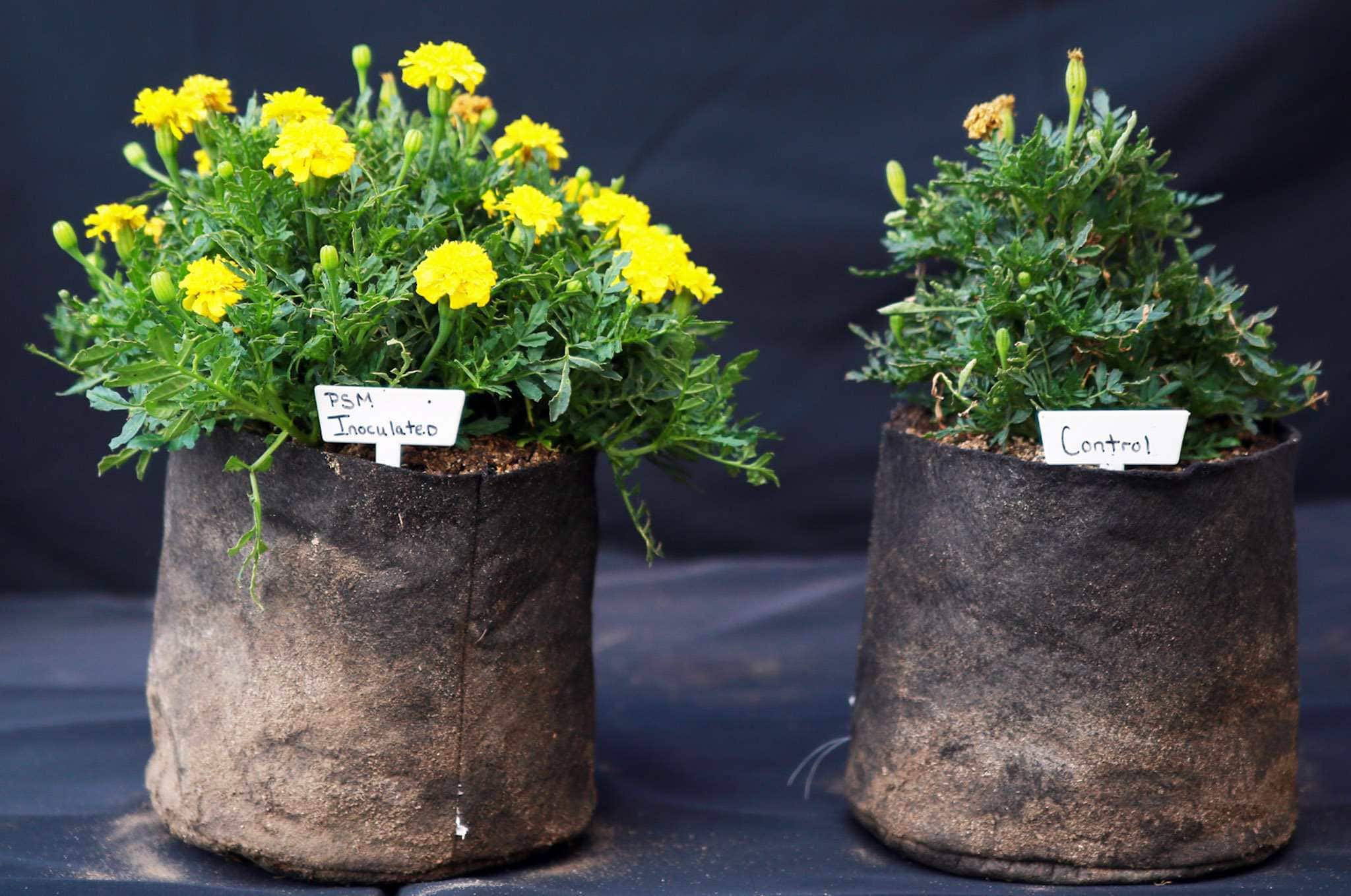
Mycorrhizae-marigold-flowers-growth-comparison
The long-term benefits of using mycorrhizal fungi in urban forestry are significant and wide-ranging. Mycorrhizae fungi are beneficial fungi that attach themselves to tree root, effectively making the root system of the tree substantially larger. They are injected into the soil just like a deep-root fertilization treatment and are oftentimes applied with fertilizer products.
Here are the top 10 ways mycorrhizae fungi can help your trees and shrubs:
Enhanced tree survival and growth: Mycorrhizal fungi increase transplant survival rates and promote faster root development, which is crucial for newly planted trees in urban environments. This leads to more successful establishment and long-term growth of urban trees.
Improved nutrient uptake: The extensive network of fungal hyphae dramatically increases the absorptive surface area of tree roots, allowing them to access essential nutrients like phosphorus and nitrogen more efficiently. This is particularly important in urban soils, which often have poor nutrient content.
Increased drought resilience: Trees with mycorrhizal associations can reduce water usage by up to 30%, making them more resilient during drought conditions. This is especially valuable in urban areas where water availability may be limited.
Enhanced stress tolerance: Mycorrhizae help urban trees better withstand environmental stresses such as pollution, soil compaction, and extreme weather conditions. This increased resilience may be the most important factor for the long-term survival of trees in challenging urban environments.
Soil structure improvement: The fungal networks help bind soil particles together, enhancing soil aggregation and reducing erosion. This is particularly beneficial in urban areas that have poor soil quality, creating a more stable environment for long-term tree growth.
Protection against pests and diseases: Mycorrhizal fungi can act as biocontrol agents, reducing pathogen numbers and enhancing the tree's ability to fight pests and diseases. This leads to healthier urban forests over time.
Climate change adaptation: Mycorrhizal fungi help trees cope with environmental stresses, such as drought and temperature fluctuations. This adaptability is crucial for maintaining urban forests in the face of sudden changes in climate conditions.
Increased biodiversity: By supporting tree health and survival, mycorrhizal fungi contribute to the overall biodiversity of urban ecosystems. This can lead to more resilient and ecologically valuable urban forests in the long term.
Reduced need for chemical inputs: The enhanced nutrient uptake provided by mycorrhizal fungi can reduce the need for chemical fertilizers in urban forestry practices. Healthier trees can fight off insect and disease pest better than trees under stress. This leads to more environmentally friendly urban forest management over time.
Improved ecosystem services: Healthy, well-established urban trees supported by mycorrhizal fungi provide numerous ecosystem services, including air purification, carbon sequestration, and temperature regulation. These benefits increase as the urban forest matures.
By incorporating mycorrhizal fungi into urban forestry practices, cities can develop healthier, more resilient, and more sustainable urban forests that provide long-lasting benefits to both the environment and urban residents.