
Lawn Care
Top 4 Tips To Have A Green, Healthy Lawn
| Dec 17, 2024
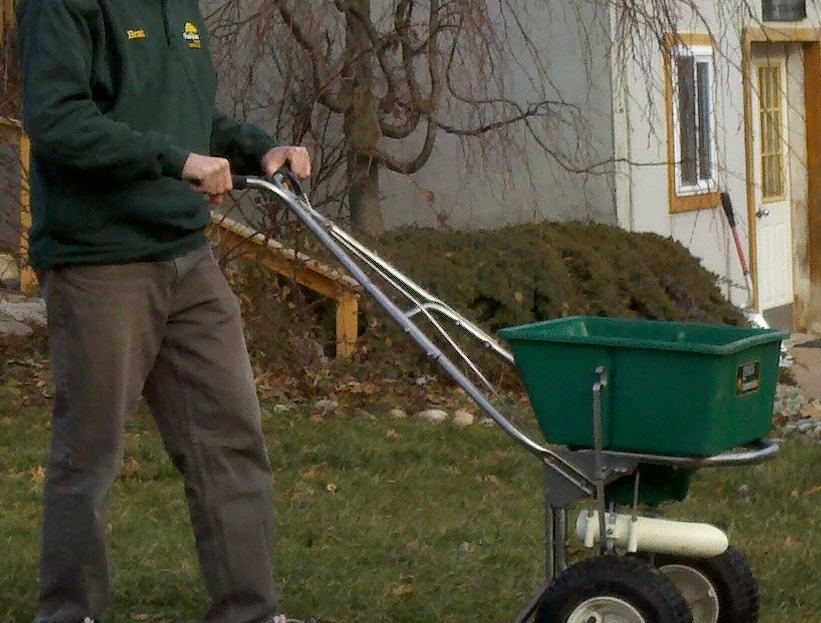
Lawn Fertilization
When winter finally releases its grip on us, our lawns will start to show signs of life again. That is followed shortly by the sounds of lawn mower engines. As we begin a new growing season, paying attention to these four topics will help you keep your lawn in top condition.
Fertilization – Crabgrass pre-emergent
For most of us, the first lawn fertilization treatment is going to include a pre-emergent for crabgrass. The timing of when this treatment should be applied is one of the most common questions we receive from our clients. From a technical aspect, the answer would be that crabgrass starts to germinate when the soil temperature at a 1-2 inch depth reaches 62 degrees Fahrenheit.
Another common natural indicator is that crabgrass germination starts about two weeks after forsythia blooms begin to drop, but this can be a tricky gauge to use. If the forsythia you’re looking at is planted facing the south it might start blooming earlier and therefore start losing it blooms sooner.
The final means to determine when to get that first treatment on the lawn is to use the calendar. In southeast Michigan, for the most part, crabgrass starts to germinate sometime between early to mid-May. It’s OK to apply a crabgrass pre-emergent after mid-May, but depending on the product used, the level of control may be less than optimal.
Lawn Mowing Height
Cool-season turfgrass, such as Kentucky bluegrass, should be mowed at a height of 2.5 – 3 inches. Mowing frequency should be such that no more than 30% of the leaf blade is removed during any single mowing. Removing too much leaf tissue can stress the plant and make it vulnerable to insect or disease pests.
Another often overlooked aspect of lawn mowing is to keep your mower blades sharp. Dull mower blades leave shredded leaf tips which then use more water than normal, stress the grass plant and may invite disease organisms. It’s also helpful to the grass plants to raise the mowing height during droughty conditions.
Disease and Insect Control for Lawns
There’s nothing worse than having a nice green lawn with a brown spot in the middle. The best way to get rid of a brown spot in the lawn is to find out as quickly as possible what caused it. To the untrained eye all brown spots look the same. A turf specialist, however, can diagnose the cause of most brown spots while on the property.
Common disease pests in southeast Michigan include snow mold, dollar spot, and red thread. Common lawn insect pests include grubs, chinch bugs, sod webworm and occasionally European crane fly.
Irrigation
Grass plants are about 75% water. That should give you some idea of how important proper watering is to a grass plant and your lawn in general. Lawns in our area need about 1 inch of water per week to remain healthy. This equates to about 600 gallons of water per 1000 square feet per week.
It’s important to know your soil type when figuring how long to water each section of your lawn. If the water just runs off and flows down the street it’s of no benefit to your lawn. If you experience too much water runoff, consider core aerification to help the water penetrate easier into the soil.
The optimal time to water is from 9:00 PM - 6:30 AM. Water can be lost to evaporation if you water during the day and late afternoon watering might promote disease development.