
Lawn Care
Treating for Sod Webworms in Attica Lawns
| Jul 16, 2025
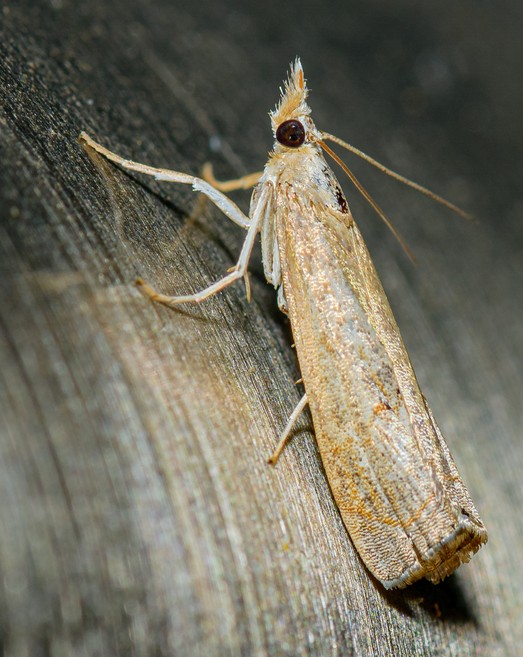
Sod webworm adult moth.|Keshava Mysore, Bugwood.org
Sod webworms are among the most destructive pests that Michigan homeowners face, particularly in places like Attica where lush lawns are a source of pride. These tiny caterpillars, the larval stage of lawn moths, can quickly turn a healthy, green yard into a lawn filled with brown patches if left unchecked. This comprehensive guide will help you understand sod webworms, how to identify them, the damage they cause, and the most effective strategies for treatment and prevention.
What Are Sod Webworms?
Sod webworms are the larvae of several species of small moths in the Crambidae family. As caterpillars, they are about 3/4 to 1 inch long, light green or brown, and often have distinctive dark spots on their heads. These larvae live in the thatch layer of your lawn, constructing small silk-lined tunnels where they hide during the day and emerge at night to feed on grass blades.
The adult moths themselves are inconspicuous—small, tan or brown, and often seen fluttering low over lawns in the evening from late May through early summer. While the moths do not cause direct damage, their egg-laying habits set the stage for the next generation of grass-eating larvae.
The Lifecycle of Sod Webworms
Knowing the lifecycle of sod webworms is the key to effective control of this lawn insect.
Egg Stage: Adult moths lay eggs on grass blades, often at dusk. A single female can lay up to 60 eggs per night.
Larval Stage: Eggs hatch within a week, and the tiny caterpillars begin feeding on grass blades. This stage is the most destructive, as larvae voraciously consume turf, especially during late June, July, and August.
Pupal Stage: After several weeks of feeding, larvae pupate in the soil or thatch.
Adult Stage: Moths emerge to start the cycle again. Several generations can occur in a single season, especially during warm months.
The final generation of larvae overwinters in the soil, resuming activity when temperatures rise in spring.
Identifying Sod Webworm Damage
Early detection is key to minimizing lawn damage. Here’s what to look for:
• Small, Irregular Brown Patches: Initial damage appears as small, closely clipped patches of brown or yellowing grass, often in sunny or dry spots such as curb edges and driveways.
• Webbing and Tunnels: Look for fine silk webbing or small tunnels in the thatch layer—these are the larvae’s hiding places.
• Presence of Moths: Noticeable swarms of small moths flying low over the lawn in the evening are a telltale sign of an impending infestation.
• Bird Activity: Increased bird foraging can indicate larvae presence, as birds feed on the caterpillars.
• White Spots on Grass Blades: Young larvae scrape the leaf surface, leaving only the veins behind, resulting in white or translucent patches on the grass.
• Green Pellets: The larvae may leave behind small green droppings on the grass blades.
How to Confirm Sod Webworm Presence
To be certain, perform a simple soap flush test:
Mix two tablespoons of liquid dish soap with two gallons of water.
Pour the solution over a suspected area.
Within minutes, sod webworm larvae will surface, confirming their presence.
How Sod Webworms Damage Lawns
Sod webworms feed primarily on the tender top growth of grass blades, chewing them down to the crown. This feeding:
1. Creates thin, patchy areas of turf that can rapidly expand as larvae multiply.
2. Causes grass to appear scalped or uneven, particularly in sunny, dry areas.
3. Leaves lawns susceptible to secondary problems, including weed invasions and fungal diseases, due to weakened turf.
If left untreated, small patches can merge into large, irregular dead zones, making recovery difficult and costly.
Differentiating Sod Webworm Damage from Other Issues
Sod webworm damage can resemble other lawn problems, such as drought stress or white grub infestations. Key differences include:
Webworm damage: Irregular brown patches, silk tunnels in thatch, moths present, and rapidly expanding brown spots in the lawn during the summer months.
Drought stress: Uniform browning, especially in areas with poor irrigation, without webbing or larvae.
White grub damage: Grass pulls up easily due to root feeding, and grubs (not caterpillars) are found in the soil.
If unsure, consult an Owen Tree & Lawn Care lawn care professional for accurate diagnosis.
Treating Sod Webworm Infestations
Natural and Eco-Friendly Solutions
Beneficial Nematodes: These microscopic worms attack and kill sod webworm larvae without harming beneficial insects or the lawn itself. Apply nematodes during the evening or on overcast days for best results, as they are sensitive to sunlight.
Encouraging Natural Predators: Birds and predatory insects can help keep webworm populations in check.
Chemical Treatments
Insecticides: Products containing Spinosad, pyrethrins, or carbaryl are effective against sod webworm larvae. Always follow label instructions to minimize environmental impact.
Professional Services: Lawn care professionals have access to specialized products and equipment for a thorough, safe application.
Timing Matters for Controlling Sod Webworms
The best time to treat sod webworms in Michigan is early summer, targeting the first generation of larvae before they can reproduce and cause further damage.
Helping Your Lawn Recover After Sod Webworm Damage
Once the sod webworm infestation is controlled, your lawn may need extra care to recover:
Fertilization: Apply a balanced fertilizer to provide nutrients that promote grass regrowth and recovery.
Lawn Aeration: Loosens compacted soil to improve water, air, and nutrient penetration to the roots.
Overseeding: Reseed thin or bare patches to restore a dense, healthy turf.
Proper Irrigation: Keep the lawn evenly moist, especially during periods of drought or heat stress.
Regular Mowing: Maintain a mowing height of 2.5 - 3.5”, avoiding mowing off more than one-third of the grass blade at a time.
Preventing Future Sod Webworm Infestations
While it’s impossible to guarantee complete prevention, healthy lawn practices make your yard less attractive to pests:
Maintain Lawn Health: Fertilize, water, and mow regularly to encourage thick, vigorous grass that can withstand minor pest damage.
Reduce Thatch: Excess thatch provides shelter for larvae. Aerate your lawn at least one time per year if the thatch layer exceeds 1/2 inch.
Monitor for Moths: Watch for moth activity in late spring and early summer and perform periodic soap flush tests in high-risk areas.
Promptly Address Weedy Patches: Sod webworms often start in crabgrass or other weedy areas before moving to desirable turf.
Consult Professionals: Schedule regular lawn inspections and treatments with a trusted lawn care provider for ongoing protection.
Frequently Asked Questions
How quickly can sod webworms destroy a lawn?
Sod webworms can cause visible damage within days, especially during peak feeding periods in summer. Multiple generations per season mean damage can escalate rapidly if not addressed.
Are sod webworms dangerous to pets or humans?
Sod webworms themselves are not harmful to people or pets. However, some chemical treatments may require temporary restrictions on lawn use—always follow product instructions.
Can I treat sod webworms myself, or should I hire a professional?
While some homeowners successfully use natural or over-the-counter products, severe or persistent infestations are best handled by lawn care professionals who can accurately diagnose and treat the problem.
Sod webworms are a formidable foe for lawns in Attica, Michigan, but with vigilance and the right strategies, you can protect your yard from their destructive feeding. Early identification, prompt treatment, and ongoing lawn care are your best defenses. By understanding the lifecycle and habits of sod webworms, employing both natural and chemical controls as needed, and maintaining a healthy lawn, you can enjoy a lush, green yard all season long.
If you suspect sod webworm activity or want expert help restoring your lawn, don’t hesitate to contact Owen Tree & Lawn Care. Your lawn—and your peace of mind—are worth it.