
Plant Health Care
Which Urban Tree Species Are Most Resilient With Mycorrhizal Fungi?
| May 11, 2025
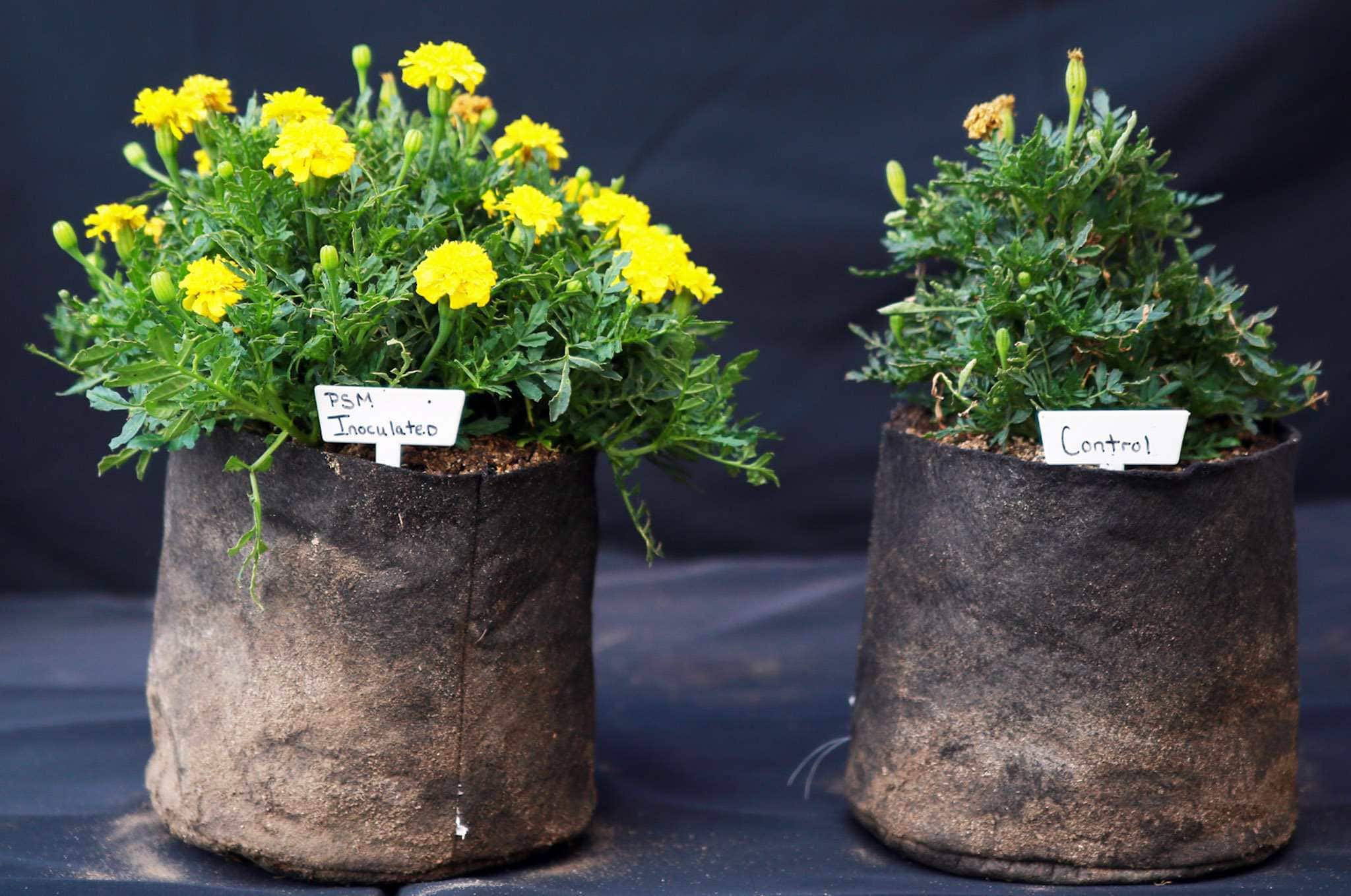
Mycorrhizae marigold flowers growth comparison
Mycorrhizae are a group of beneficial fungi that attach themselves to plant roots and, in doing so, substantially increase the size of the plants root system. This expanded root system helps trees to access adequate amounts of water and nutrients from the soil, thus reducing the potential for environmental stress. Urban tree species that are most resilient with mycorrhizal fungi associations include:
Oak Trees
Oak species form strong partnerships with ectomycorrhizal fungi, which significantly enhance their nutrient uptake and stress tolerance in urban settings. This association helps oaks thrive in challenging urban environments.
Pine Trees
Like oaks, pine trees also form ectomycorrhizal associations, making them well-suited to benefit from these fungi in urban areas. This partnership aids pines in adapting to urban conditions.
Maple Trees
Maple species can form arbuscular mycorrhizal associations, which help them adapt to urban conditions. For example, Norway maple (Acer platanoides) has been studied in depth for its mycorrhizal associations in urban settings.
Other Resilient Species
Black walnut (Juglans nigra), pin oak (Quercus palustris), and black locust (Robinia pseudoacacia) have also been studied for their mycorrhizal associations in urban environments. These species demonstrate the ability to form mycorrhizal partnerships in both urban and rural settings, although urban colonization rates are generally lower.
It's important to note that while these species show resilience with mycorrhizal fungi, urban environments often have lower mycorrhizal colonization rates compared to rural areas. Studies have shown 37% and 33% lower colonization rates for arbuscular and ectomycorrhizal fungi, respectively, in urban settings. This suggests that artificial inoculation or soil management practices may be necessary to maximize the benefits of mycorrhizal fungi for urban trees.