
Plant Health Care
Boxwood Leafminer Management in Pleasant Ridge, Michigan
| Feb 19, 2025
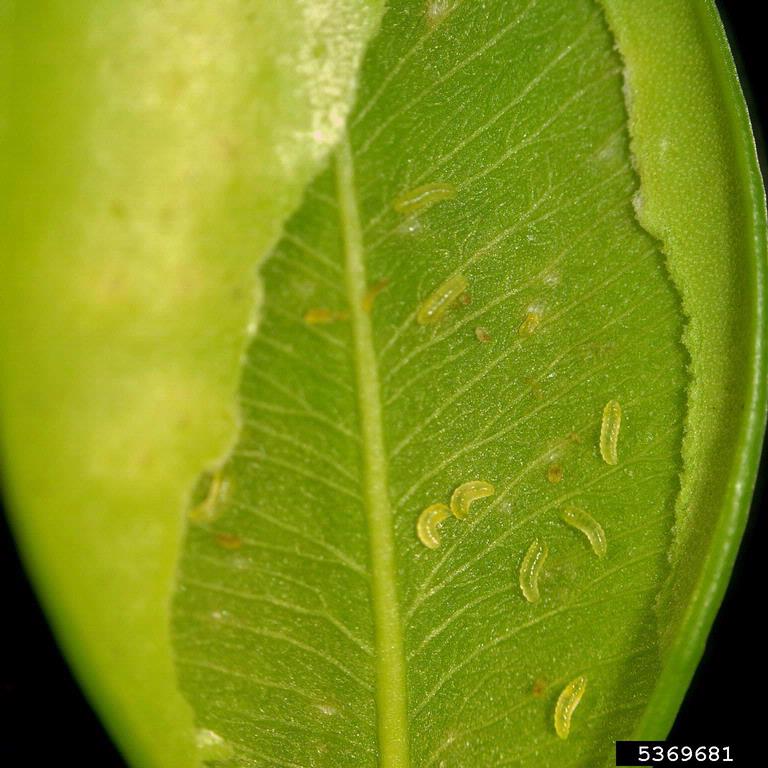
Leafminer larvae boxwood
For residents of Pleasant Ridge, Michigan, boxwoods have long been a favorite choice for their tidy, compact growth and their ability to maintain an attractive, evergreen presence throughout the year. These versatile shrubs are a staple in local landscapes, enhancing both residential and commercial properties with their elegant look. However, like many popular plants, boxwoods are not without their challenges, and one of the most common threats they face is the boxwood leaf miner.
This tiny pest can pose a significant threat to the health and aesthetic appeal of your boxwood plants. If left unchecked, the damage caused by boxwood leafminers can lead to weakened plants, unsightly foliage, and even plant death. Fortunately, with the right care and management techniques, you can effectively combat these pests and preserve the beauty of your boxwoods.
Understanding the Threat of Boxwood Leafminers
Boxwood leafminers are the larvae of a type of fly that targets boxwood plants. These pests are most active in spring and summer, when they burrow into the leaves of the boxwood. The larvae feed on the inner tissue of the leaves, leaving behind characteristic trails or “mines” that are visible to the naked eye.
These trails can be seen as light, winding patterns of yellow or brown discoloration on the surface of the leaves, which is a sign of damage caused by the larvae feeding on the plant. The more extensive the infestation, the more damage the plant suffers. Over time, this damage can cause leaves to drop prematurely, leaving boxwoods with bare, unattractive branches.
While boxwoods are generally hardy and can tolerate some level of pest damage, severe infestations can weaken the plant, making it more susceptible to diseases and environmental stress. If the infestation is not dealt with promptly, the overall health and aesthetic value of your boxwoods can decline significantly. Fortunately, with careful monitoring and proper intervention, boxwood leafminers can be effectively managed.
Early Detection: The Key to Effective Management
The first step in managing boxwood leafminers is early detection. Vigilance is the key to preventing an infestation from escalating. Inspect your boxwood shrubs regularly, especially during the growing season when leafminers are most active.
The following signs indicate a boxwood leafminer infestation:
• Yellowed or discolored leaves: As the larvae feed within the leaf, they disrupt the plant’s vascular system, causing the affected leaves to turn yellow or brown.
• Visible trails: The mines, or tunnels, left behind by the feeding larvae are typically visible on the surface of the leaves. These trails appear as light-colored streaks or blotches.
• Premature leaf drop: In severe cases, the damage from leafminers can cause leaves to drop prematurely, leading to an unsightly, sparse appearance.
If you notice these signs, it's essential to take immediate action to prevent further damage.
Systemic Insecticides: A Powerful Solution
When it comes to dealing with boxwood leafminers, systemic insecticides are one of the most effective treatments available. These insecticides are absorbed by the plant through the roots and circulate throughout the plant’s vascular system. When the larvae feed on the leaves, they ingest the insecticide, which kills them from the inside. Systemic insecticides can help target the larvae deep within the leaves, where other treatments may not reach.
The best time to apply systemic insecticides is during the spring when the larvae are active and feeding inside the leaves.
Preventative Measures: Protecting Your Boxwoods
While systemic insecticides are an effective way to manage an active infestation, preventing future issues is just as important. By maintaining healthy, resilient boxwoods and using a few proactive strategies, you can reduce the risk of future leaf miner infestations.
Incorporate these steps to keep your boxwood plants as healthy as possible:
1. Proper Watering and Fertilization: Healthy boxwoods are less susceptible to pests and diseases. Ensure your plants receive adequate water, especially during dry spells, and apply a balanced fertilizer to promote strong growth. Avoid over-fertilizing, as excessive nitrogen can make boxwoods more attractive to pests.
2. Pruning: Regular pruning helps maintain the shape of your boxwoods and improves airflow, which reduces the conditions that pests thrive in. Be sure to remove any infested leaves, as these can harbor leafminer larvae.
3. Late Fall or Early Winter Oil Application: One of the best ways to prevent future infestations is by applying horticultural oils in late fall or early winter. These oils suffocate any overwintering eggs, preventing them from hatching in the spring. Make sure to apply the oil evenly to the entire plant, including the undersides of leaves, where eggs are often laid.
4. Regular Monitoring: Even after treatment, it’s essential to monitor your boxwoods regularly for any signs of returning pests. Early detection is key to preventing another infestation from taking hold.
Keep Your Boxwoods Healthy and Beautiful
Boxwood leafminers can be a persistent nuisance for residents of Pleasant Ridge but with prompt action and regular care, you can protect your plants from these damaging pests. By inspecting your boxwoods for signs of infestation, using systemic insecticides when necessary, and taking proactive measures to maintain plant health, you can ensure that your boxwoods continue to thrive and enhance the beauty of your landscape for years to come.
Remember, healthy boxwoods are less likely to succumb to pests and diseases, so investing time in their upkeep is well worth the effort. With these management techniques, you can keep your boxwoods free from leafminers and enjoy their classic, evergreen charm throughout the seasons.