
Lawn Care
Early Crabgrass Prevention in Clarkston
| Jan 29, 2026
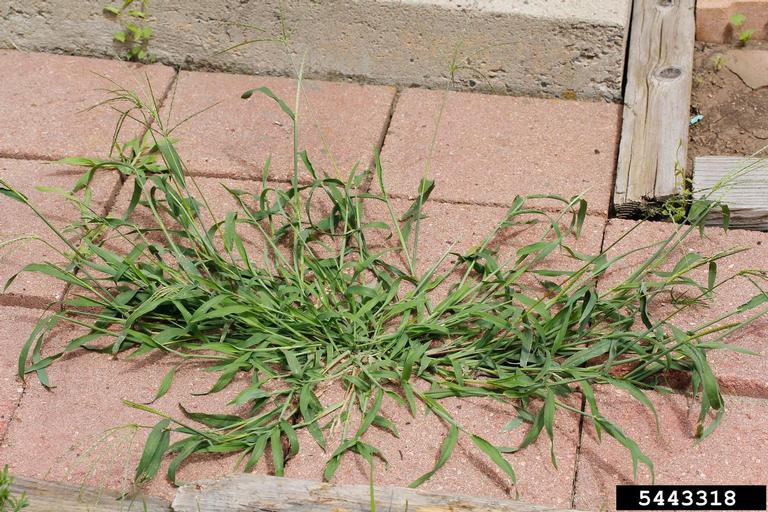
Crabgrass plants in walkway. Photo: Joseph Berger, Bugwood.org
Lawn care in Clarkston, Michigan requires a different mindset than in dense urban areas. With larger properties, newer developments, and a mix of open sun and wooded landscapes, lawns across Clarkston face unique pressures. One of the most persistent and frustrating problems for homeowners is crabgrass. While crabgrass often becomes visible during the heat of summer, its growth cycle begins much earlier in the year. This is why early crabgrass prevention is essential for maintaining healthy, attractive lawns throughout the growing season.
Crabgrass is not a weed that can be easily controlled once it appears. By the time it is noticeable, it has already established itself and begun competing aggressively with turfgrass. Homeowners who understand how crabgrass develops, why Clarkston lawns are especially vulnerable, and why early prevention matters are far more likely to enjoy thick, lush lawns year after year.
What Crabgrass Is and Why It Spreads So Easily
Crabgrass is classified as a warm-season annual grassy weed, meaning it completes its entire life cycle within a single growing season. It germinates in spring, grows rapidly during summer, produces seeds, and then dies with the first hard frost in fall.
Although the plant itself disappears, the damage does not. A single crabgrass plant can produce thousands of seeds, which fall into the soil and remain viable for several years. Without early crabgrass prevention, these seeds build up in the soil and lead to recurring infestations that become more severe over time.
Crabgrass grows outward in low, spreading clumps that smother desirable turfgrass. As it spreads, it blocks sunlight, absorbs nutrients, and steals moisture, weakening the surrounding grass and leaving lawns thin and uneven.
Why Clarkston Lawns Are Particularly Vulnerable
Clarkston lawns face a combination of conditions that make them especially susceptible to crabgrass. Many properties are part of newer residential developments, where soil has been disturbed, graded, or compacted during construction. Newly established lawns often struggle to develop deep root systems, leaving gaps that crabgrass quickly exploits.
In addition, many properties feature large open areas with full sun exposure. Crabgrass thrives in warm, sunny conditions, especially where turfgrass density is inconsistent. Open lawns that receive intense sunlight warm quickly in spring, allowing crabgrass seeds to germinate earlier than homeowners expect.
Clarkston also contains a mix of soil types, including sandy soils that drain quickly and heavier clay soils that compact easily. Both extremes can stress turfgrass if not properly managed, creating opportunities for crabgrass to establish.
Understanding Crabgrass Germination Timing
Crabgrass seeds typically begin germinating when soil temperatures consistently reach around 55 degrees Fahrenheit at a shallow depth. In Clarkston, this threshold can be reached earlier than expected, particularly in open, south-facing lawns or areas near driveways and paved surfaces.
Because crabgrass responds to soil temperature rather than air temperature, lawns may still appear dormant when germination begins. This disconnect often causes homeowners to miss the critical window for prevention.
Applying crabgrass control too late allows crabgrass to establish before protection is in place, while applying it too early can reduce effectiveness if the barrier breaks down too early in the summer.
Why Early Crabgrass Prevention Is So Important
Early crabgrass prevention works by creating a barrier in the soil that prevents seeds from developing into mature plants. This approach stops crabgrass before it ever becomes visible, eliminating competition before it starts.
The benefits of early crabgrass prevention in Clarkston include:
- Significantly reduced crabgrass throughout summer
- Thicker, healthier turfgrass
- Fewer bare or thinning areas in the lawn
- Reduced reliance on post-emergent crabgrass treatments
By preventing crabgrass early, turfgrass is able to focus on root development and steady growth rather than competing for resources.
Lawn Density as the Best Natural Defense
Dense turfgrass is one of the most effective natural defenses against crabgrass. Thick lawns shade the soil surface, limiting the sunlight crabgrass seeds need to germinate.
Many Clarkston lawns struggle with density due to newly established turf, soil compaction, improper mowing practices, or nutrient imbalances. Addressing these issues early in the season significantly improves turf health and enhances the effectiveness of crabgrass prevention.
Proper mowing height is especially important on larger properties. Cutting grass too short weakens turfgrass and exposes soil, creating ideal conditions for crabgrass. Maintaining appropriate mowing height helps shade the soil, conserve moisture, and support deeper root systems.
Soil Health and Its Role in Crabgrass Prevention
Soil health plays a critical role in long-term weed control. When soil is compacted or lacks proper nutrients, turfgrass roots remain shallow and weak, making lawns more susceptible to invasion.
In Clarkston, soil conditions vary widely from property to property. Core aeration helps relieve compaction, improve oxygen flow, and allow water and nutrients to penetrate deeper into the soil. When combined with early crabgrass prevention, lawn aeration strengthens turfgrass and reduces weed pressure over time.
Balanced lawn fertilization is equally important. Under-fertilized lawns lack vigor, while over-fertilized lawns may develop excessive top growth at the expense of roots. A balanced approach supports steady growth and stronger root systems.
The Importance of Local Knowledge and Timing
Clarkston’s diverse landscapes mean soil temperature and moisture levels can vary significantly even between neighboring properties. Open fields may warm quickly, while shaded areas near tree lines warm more slowly.
Local lawn care professionals such as Owen Tree and Lawn Care understand how these variations affect crabgrass germination. This local experience allows prevention to be applied when it is most effective rather than relying on generalized schedules.
What Happens When Early Prevention Is Skipped
Skipping early crabgrass prevention often leads to ongoing lawn problems throughout the growing season. Once crabgrass establishes, it requires post-emergent treatments that are less effective and more stressful for turfgrass.
Allowing crabgrass to mature dramatically increases the number of crabgrass seeds in the soil, nearly guaranteeing future infestations. Over time, this creates a cycle that becomes harder to break and more costly to manage.
When crabgrass dies off in fall, it leaves bare soil behind. These exposed areas become prime germination sites the following spring, continuing the problem year after year.
Early Prevention Sets the Foundation for the Entire Lawn Care Season
Lawns protected early in spring enter summer stronger and thicker. Early crabgrass prevention allows turfgrass to establish deeper roots, better tolerate heat and drought, and recover more quickly from stress.
In Clarkston, where lawns often face environmental variability and larger property challenges, proactive spring care consistently produces better long-term results.
Final Thoughts
Early crabgrass prevention is one of the most important steps homeowners can take to protect their lawns. By stopping crabgrass before it germinates, homeowners reduce weed pressure, support healthier turf growth, and improve overall lawn appearance.
Focusing on early timing, soil health, and proper lawn care practices creates lawns that are more stronger, more attractive, and easier to maintain. Crabgrass prevention is not about reacting to unwanted weeds - it is about preventing them before they start.
Call Owen Tree and Lawn Care today at 800-724-6680 for pricing for crabgrass control for your lawn.